
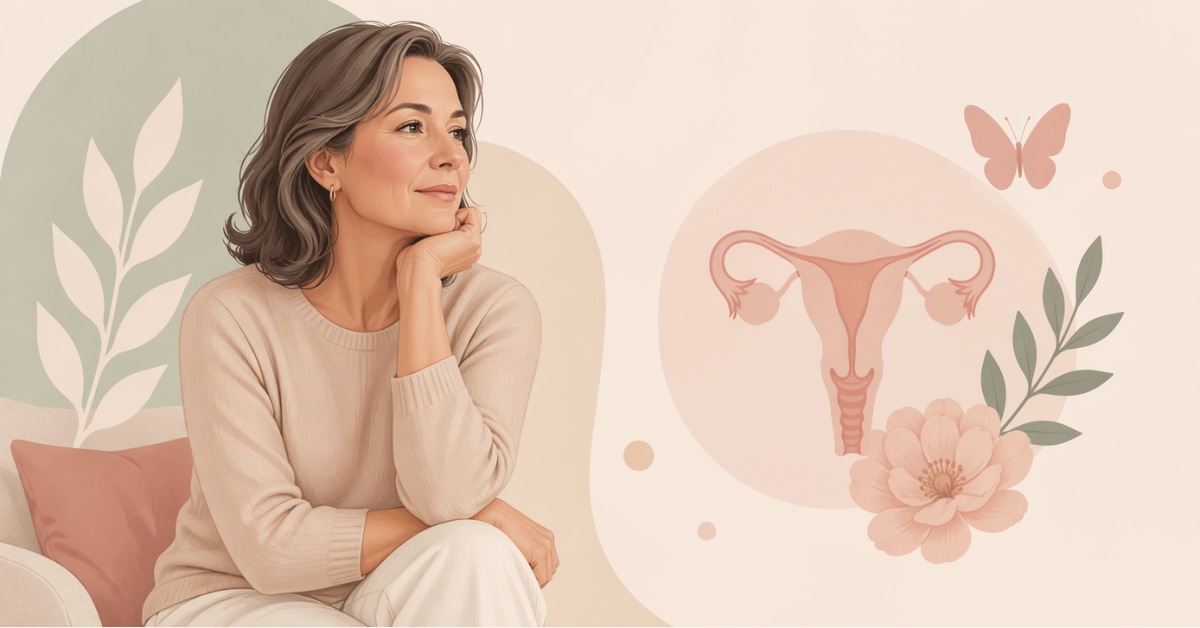
As women enter their 40s, many notice subtle—and sometimes not-so-subtle—changes in their bodies. One area that often feels different, but isn’t talked about openly, is intimate health. If you’ve been wondering why things feel different “down there,” you’re not alone.
The truth is, these changes are completely normal and are often linked to natural hormonal shifts. Understanding what’s happening can help you feel more confident, comfortable, and in control of your body.
What Changes Happen After 40?
After 40, your body begins transitioning toward perimenopause, the stage before menopause. During this time, estrogen levels start to fluctuate and gradually decline.
Estrogen plays a key role in maintaining vaginal health, elasticity, lubrication, and tissue strength. When levels change, your body responds in different ways.
Common Changes You May Notice
1. Vaginal Dryness
One of the most common changes is reduced natural lubrication. This can make intimacy uncomfortable or irritate daily activities.
👉 Why it happens: Lower estrogen reduces moisture production.
2. Reduced Elasticity
You may notice that vaginal tissues feel less flexible or slightly tighter.
👉 Why it happens: Collagen production decreases with age, affecting skin and tissue elasticity.
3. Increased Sensitivity or Irritation
Some women experience itching, burning, or general discomfort.
👉 Why it happens: Thinner vaginal walls become more sensitive to friction and products.
4. Changes in Discharge
Your vaginal discharge may become lighter, thinner, or less frequent.
👉 Why it happens: Hormonal changes affect the natural balance of fluids.
5. Lower Libido
A decrease in sexual desire is also common.
👉 Why it happens: Hormonal fluctuations, stress, and lifestyle factors all play a role.
6. Urinary Changes
You might notice:
- Frequent urge to urinate
- Mild leakage
- Increased risk of urinary tract infections (UTIs)
👉 Why it happens: Estrogen also supports bladder and urinary tract health.
What’s Normal and What’s Not?
✔️ Normal Changes
- Mild dryness
- Slight discomfort during intimacy
- Irregular discharge
- Occasional irritation
These are typical signs of hormonal transition.
When to See a Doctor
You should consult a healthcare professional if you experience:
- Severe pain or burning
- Unusual odor or discharge
- Persistent itching
- Bleeding after intercourse
- Frequent infections
These may indicate infections or other medical conditions that need treatment.
How to Manage These Changes
The good news is that there are many ways to stay comfortable and maintain your intimate health after 40.
1- Stay Hydrated
Drinking enough water helps maintain overall tissue health, including vaginal moisture.
2- Use Gentle Intimate Care Products
Avoid harsh soaps, scented products, and chemicals that can irritate sensitive areas.
👉 Choose pH-balanced, fragrance-free products.
3- Try Vaginal Moisturisers or Lubricants
These can:
- Reduce dryness
- Improve comfort during intimacy
- Prevent irritation
Water-based lubricants are usually the safest option.
4- Maintain a Healthy Diet
Focus on foods that support hormonal balance:
- Omega-3 fatty acids
- Fruits and vegetables
- Whole grains
- Soy-based foods (contain phytoestrogens)
5- Stay Physically Active
Exercise improves:
- Blood circulation
- Hormonal balance
- Overall well-being
6- Practice Pelvic Floor Exercises
Kegel exercises can help:
- Strengthen pelvic muscles
- Improve bladder control
- Enhance sexual health
7- Manage Stress
Stress can worsen hormonal imbalances and affect libido. Try:
- Meditation
- Yoga
- Deep breathing
8- Consider Medical Options
If symptoms are severe, a doctor may recommend:
- Hormone therapy
- Vaginal estrogen creams
- Prescription treatments
Always consult a professional before starting any treatment.
Emotional and Mental Changes Matter Too
It’s not just physical changes—your emotional well-being also plays a role.
You may feel:
- Less confident
- Anxious about intimacy
- Frustrated by changes
These feelings are valid. Open communication with your partner and self-acceptance are key.
Breaking the Silence Around Women’s Health
Many women hesitate to talk about intimate health, especially after 40. But these changes are natural and deserve attention.
The more you understand your body, the more empowered you become to take care of it.
Final Thoughts
Feeling different “down there” after 40 is a normal part of ageing and hormonal transition. While these changes can be uncomfortable at times, they are manageable with the right care and awareness.
Your body isn’t failing—it’s evolving.
By listening to your body, making small lifestyle changes, and seeking support when needed, you can continue to feel confident and comfortable in your own skin.



Comments (0)