
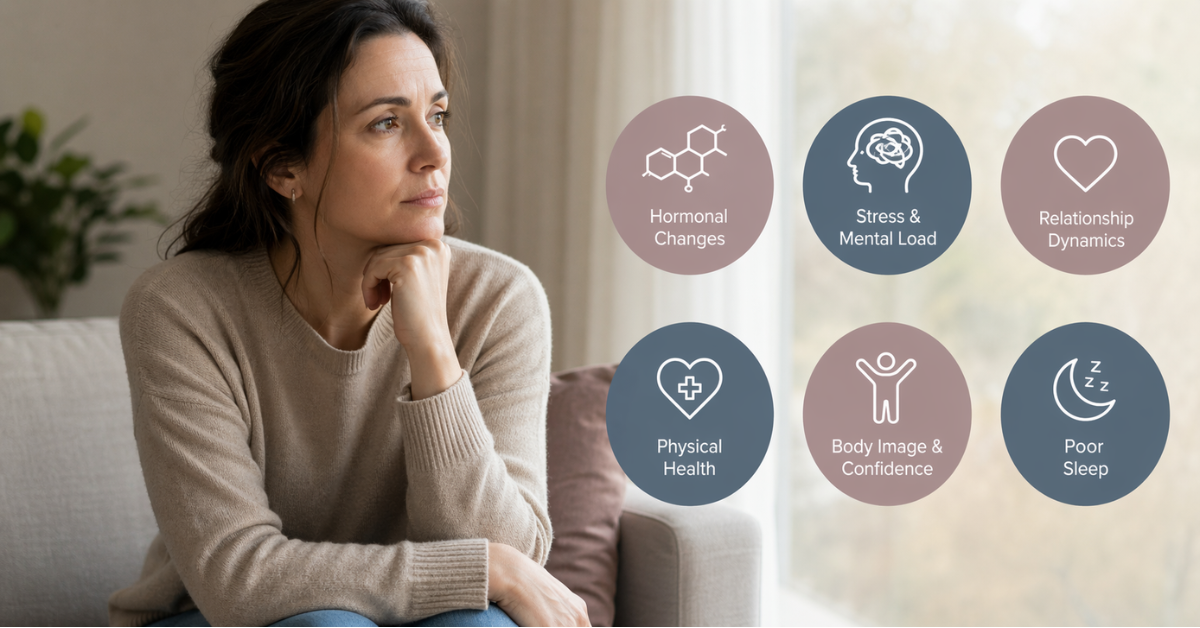
If you’ve noticed a drop in your sexual desire after turning 35, you’re not alone—and more importantly, you’re not imagining it. Low libido is often brushed off as a “mental issue” or blamed on stress alone, but the reality is far more complex. Your body, hormones, lifestyle, and emotional health all play a role. Understanding what’s really happening can help you take the right steps toward reclaiming your sexual well-being.
What Is Low Libido?
Low libido refers to a decreased interest in sexual activity. While it’s normal for desire to fluctuate over time, a persistent lack of interest can feel frustrating or even concerning—especially if it starts affecting your relationships or self-confidence.
After 35, many people—particularly women—begin to notice subtle (and sometimes not-so-subtle) changes in their bodies. These changes can directly impact sexual desire.
The Real Reasons Behind Low Libido After 35
1. Hormonal Changes
One of the biggest contributors is shifting hormone levels. As you move through your mid-30s and beyond, your body begins to gradually produce less estrogen and testosterone.
- Estrogen supports vaginal lubrication and sensitivity
- Testosterone (yes, women have it too) plays a key role in sexual desire
A decline in these hormones can lead to reduced arousal, vaginal dryness, and less interest in intimacy.
2. Stress and Mental Load
By 35, life often becomes more demanding—career pressures, parenting responsibilities, financial concerns, and social expectations all pile up.
Chronic stress increases cortisol levels, which can suppress sex hormones and reduce libido. Additionally, mental exhaustion leaves little room for desire to naturally arise.
3. Relationship Dynamics
Emotional connection plays a huge role in sexual desire. Over time, relationships may shift from passion-driven to routine-based.
Common issues include:
- Lack of communication
- Emotional distance
- Unresolved conflicts
- Monotony in intimacy
These factors can quietly diminish libido, even if you still care deeply for your partner.
4. Physical Health Factors
Your body’s overall health has a direct impact on your sex drive. Conditions that may contribute include:
- Thyroid imbalances
- Diabetes
- Obesity
- Chronic fatigue
Even medications—like antidepressants or birth control pills—can influence libido.
5. Body Image and Confidence
As your body changes with age, pregnancy, or lifestyle shifts, your self-image may also change. Feeling less confident in your body can reduce your desire for intimacy.
Sexual desire isn’t just physical—it’s deeply psychological. If you don’t feel good about yourself, it’s harder to feel desire.
6. Sleep Deprivation
Poor sleep is an underrated libido killer. Lack of quality sleep affects hormone production, energy levels, and mood—all of which are essential for a healthy sex drive.
Signs Your Low Libido Has a Physical Cause
While emotional factors are important, certain signs suggest a physical or hormonal cause:
- Persistent vaginal dryness
- Pain during intercourse
- Irregular periods
- Sudden drop in desire without emotional triggers
- Fatigue and low energy
If you notice these, it may be worth consulting a healthcare professional.
How to Naturally Improve Libido After 35
The good news? Low libido is often reversible with the right approach.
1. Balance Your Hormones
Focus on lifestyle changes that support hormonal health:
- Eat a nutrient-rich diet (healthy fats, protein, leafy greens)
- Maintain a healthy weight
- Reduce sugar and processed foods
In some cases, medical support like hormone therapy may be recommended.
2. Manage Stress Effectively
You don’t need to eliminate stress—but managing it better can make a big difference.
Try:
- Meditation or deep breathing
- Yoga or light exercise
- Taking regular breaks from work
- Setting boundaries
Even small changes can lower cortisol levels and improve libido.
3. Prioritise Emotional Intimacy
Physical desire often follows emotional closeness.
- Have open conversations with your partner
- Spend quality time together
- Rebuild the connection outside the bedroom
Sometimes, reconnecting emotionally is the key to reigniting physical desire.
4. Improve Sleep Quality
Aim for 7–8 hours of restful sleep per night. Good sleep supports hormone balance, mood, and energy—all essential for a healthy sex drive.
5. Stay Physically Active
Regular exercise improves blood flow, boosts mood, and enhances body confidence.
Even 30 minutes of moderate activity—like walking or stretching—can positively impact libido.
6. Explore What Feels Good
Desire isn’t always spontaneous—it can be responsive. That means it often develops after you begin engaging in intimacy.
- Take time to explore your body
- Communicate your needs
- Try new ways to connect with your partner
Removing pressure and focusing on enjoyment can help desire return naturally.
7. Review Your Medications
If you suspect your medication is affecting your libido, talk to your doctor. There may be alternatives or adjustments that can help.
When to Seek Professional Help
If low libido is persistent, distressing, or affecting your relationship, it’s worth seeking support.
You might consider:
- A gynaecologist or endocrinologist (for hormonal issues)
- A therapist or counsellor (for emotional or relationship concerns)
- A sex therapist (for specialised guidance)
There’s no shame in asking for help—this is a common and treatable issue.
Breaking the Myth: It’s Not “All in Your Head”
One of the most damaging myths about low libido is that it’s purely psychological. While the mind plays a role, your body is equally involved.
Hormones, health, stress, and lifestyle all interact in complex ways. Ignoring the physical side can delay proper solutions.
Understanding this empowers you to take control instead of blaming yourself.
Final Thoughts
Low libido after 35 is real, common, and completely valid. It’s not a personal failure, and it’s definitely not “just in your head.”
By understanding the root causes—whether hormonal, emotional, or lifestyle-related—you can take meaningful steps toward restoring your desire and confidence.
Your body is changing, not failing. And with the right care and awareness, you can continue to enjoy a healthy and fulfilling intimate life at any age.




Comments (0)