
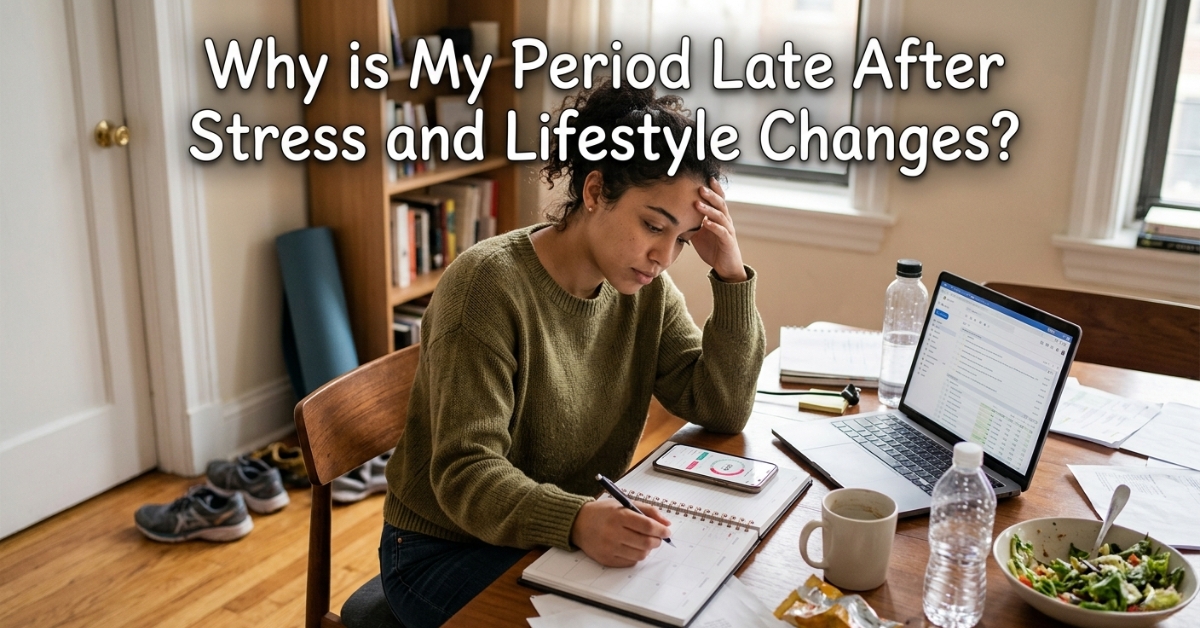
If you've noticed your menstrual cycle is off schedule after experiencing stress or making significant lifestyle changes, you're not alone. Many women find that during particularly stressful times or after altering their lifestyle, their period can be delayed. This post explores the reasons behind this phenomenon and offers some insight into when you might expect your body to return to normal.
Understanding the Impact of Stress on Your Menstrual Cycle
It's well-documented that stress can affect your health in numerous ways, and your menstrual cycle is no exception. Stress triggers the production of certain hormones, such as cortisol and adrenaline, which can interfere with the hormones that regulate your menstrual cycle, like estrogen and progesterone. This disruption can lead to a delayed or even missed period.
When you're stressed, your body essentially goes into "survival mode," prioritizing immediate concerns over reproductive functions. This biological response is intended to save energy for vital functions, which unfortunately means your regular menstrual cycle may be put on hold.
The Role of Lifestyle Changes in Menstrual Health
Lifestyle changes can also play a significant role in the timing and regularity of your menstrual cycle. Changes such as diet, exercise habits, sleep patterns, and even travel can influence your hormone levels and thus your period.
- Dietary Changes: Significant changes in your diet, such as drastic calorie restriction or adopting a very low-carb diet, can lead to changes in your menstrual cycle. Your body needs a certain balance of nutrients to produce hormones properly.
- Exercise: Increasing your exercise regimen suddenly or engaging in extreme physical activity can also delay your period. Regular moderate exercise, however, is generally beneficial for your menstrual health.
- Sleep Patterns: Changes in your sleep patterns, including lack of sleep or changes in your sleep schedule, can affect your menstrual cycle. Hormone production is often tied to your circadian rhythm, which is influenced by your sleep.
When to See a Doctor
While a delayed period due to stress or lifestyle changes is often temporary, it's important to consult with a healthcare provider if the delay persists. This is especially crucial if you miss three or more periods in a row, as it could be a sign of an underlying health condition that needs attention.
Additionally, if you experience severe symptoms alongside a delayed period, such as excessive weight loss, extreme fatigue, or abnormal bleeding, you should seek medical advice promptly.
Managing Stress and Lifestyle Factors
To help regulate your menstrual cycle and reduce the likelihood of future delays, consider implementing stress management techniques and maintaining a balanced lifestyle. Activities such as yoga, meditation, and regular exercise can be effective in managing stress. Also, ensuring a balanced diet and maintaining a regular sleep schedule can help stabilize your menstrual cycle.
Understanding your body's reactions to stress and changes in your lifestyle can empower you to make informed decisions about your health and well-being. By recognizing these signals early, you can take proactive steps to mitigate their effects on your menstrual cycle.


Comments (0)