
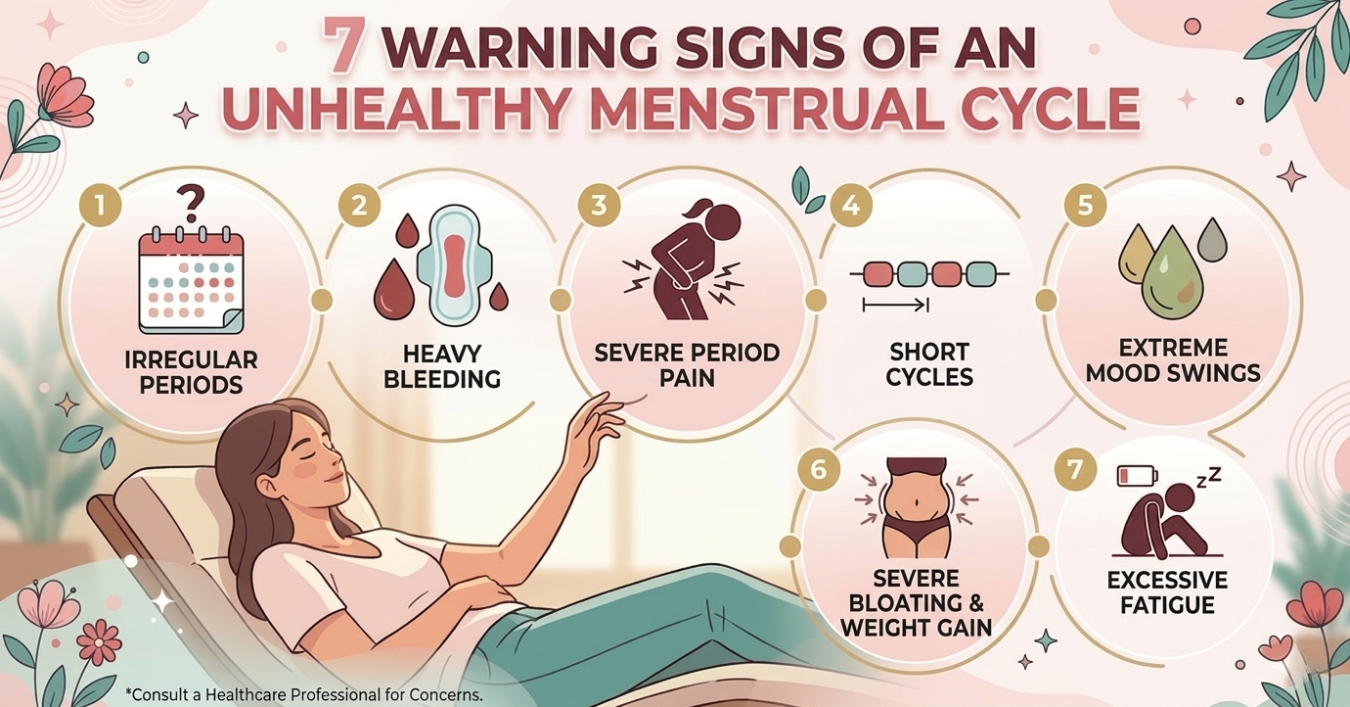
Menstruation is a natural part of a woman’s life, but certain symptoms can indicate potential health issues. Understanding the warning signs of an unhealthy menstrual cycle can help in early detection and treatment of underlying conditions. Here are seven key indicators that suggest a consultation with a healthcare provider might be necessary.
1. Extremely Heavy Flow
An unusually heavy menstrual flow, also known as menorrhagia, can be a sign of underlying health problems like fibroids or hormonal imbalances. If you're soaking through pads or tampons every hour for several consecutive hours, it’s advisable to seek medical advice.
2. Very Light or Absent Periods
While less blood might seem like a relief, extremely light periods or the absence of menstruation, known as amenorrhea, can indicate issues such as hormonal imbalances, nutritional deficiencies, or excessive exercise. Both conditions warrant a professional evaluation.
3. Severe Pain
While cramps are a normal part of menstruating for many women, experiencing severe or debilitating pain can be a sign of conditions like endometriosis or pelvic inflammatory disease. If over-the-counter medications can’t control your pain, it’s important to consult a healthcare provider.
4. Irregular Periods
Irregular periods can be caused by a variety of factors including PCOS (polycystic ovary syndrome), thyroid problems, and stress. If your cycle is consistently irregular or unpredictable, it’s critical to determine the cause with the help of a healthcare professional.
5. Prolonged Duration of Periods
A menstrual cycle that lasts more than 7 days can lead to other complications such as anemia. Extended periods could be a sign of hormonal imbalances or other medical conditions that might require treatment.
6. Sudden Changes in Cycle Length
Sudden changes in the length of your menstrual cycle can be alarming. A significant shortening or lengthening of cycle intervals might suggest hormonal issues or early menopause. Tracking your cycle can help identify any significant changes that should be discussed with a healthcare provider.
7. Unusual Menstrual Clots
Large blood clots (larger than a quarter) during menstruation can be normal, but if they occur frequently or are very large, it could be a sign of uterine fibroids or other conditions. Discussing these symptoms with your doctor is crucial for proper diagnosis and treatment.
Recognizing the warning signs of an unhealthy menstrual cycle is the first step towards maintaining reproductive health. If you experience any of these symptoms, it is important to consult with a healthcare provider to get a proper diagnosis and appropriate treatment. Remember, your health is important, and addressing these issues early can lead to better health outcomes.




Comments (0)