
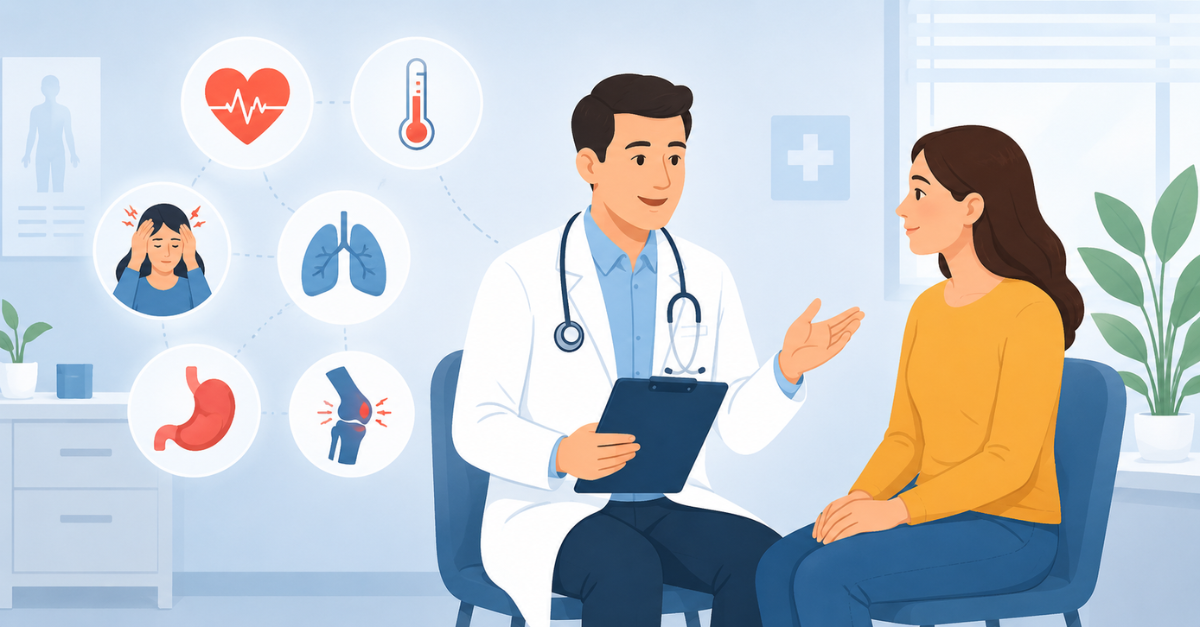
Many people ignore early health symptoms, hoping they will disappear on their own. While some minor issues improve with rest and home care, certain warning signs should never be ignored. Your body often gives signals when something is wrong, and paying attention to these signs can help prevent serious complications.
Knowing when to see a doctor is important for maintaining long-term health. Early diagnosis and treatment can improve recovery, reduce risks, and even save lives in some situations. In this blog, we will discuss common warning signs that require medical attention and why timely care matters.
Persistent Fever That Doesn’t Go Away
A mild fever can happen due to common infections like colds or flu. However, if a fever lasts for more than a few days or becomes very high, it may indicate a more serious problem.
You should see a doctor if:
- Your fever stays above 102°F (38.9°C)
- Fever lasts more than 3 days
- You experience chills, confusion, or breathing problems
- The fever is accompanied by severe headache or rash
Persistent fever may be linked to infections, inflammation, or other underlying conditions that require medical evaluation.
Chest Pain or Tightness
Chest pain should never be ignored, especially if it feels sudden, severe, or accompanied by other symptoms. While chest discomfort can sometimes result from acidity or muscle strain, it may also signal a heart problem.
Seek immediate medical attention if you experience:
- Pressure or tightness in the chest
- Pain spreading to the arm, jaw, or back
- Shortness of breath
- Sweating or dizziness
- Nausea with chest discomfort
These symptoms could indicate a heart attack or another serious cardiovascular issue.
Sudden Shortness of Breath
Difficulty breathing can occur after physical activity, but unexplained or sudden shortness of breath may point to a serious condition.
Possible causes include:
- Asthma attack
- Lung infection
- Allergic reaction
- Blood clot
- Heart-related conditions
If breathing becomes difficult while resting or is accompanied by chest pain or bluish lips, seek emergency care immediately.
Severe or Frequent Headaches
Occasional headaches are common, but severe or recurring headaches may require medical attention.
Warning signs include:
- Sudden, intense headache
- Headache after a head injury
- Blurred vision
- Weakness or numbness
- Difficulty speaking
- Fever with neck stiffness
These symptoms may indicate migraines, neurological problems, infections, or other serious conditions.
Unexplained Weight Loss
Losing weight without changing your diet or exercise routine can sometimes be a warning sign of an underlying health issue.
Possible causes include:
- Thyroid disorders
- Diabetes
- Digestive diseases
- Chronic infections
- Certain cancers
If you notice significant unexplained weight loss over a short period, it is important to consult a doctor for proper evaluation.
Changes in Bowel or Bladder Habits
Digestive and urinary changes can reveal important clues about your health.
You should seek medical advice if you experience:
- Blood in stool or urine
- Persistent diarrhea or constipation
- Pain during urination
- Frequent urge to urinate
- Ongoing stomach pain or bloating
Ignoring these symptoms may delay the diagnosis of infections, digestive disorders, or kidney problems.
Persistent Fatigue
Feeling tired after a busy day is normal, but constant exhaustion that does not improve with rest should not be ignored.
Persistent fatigue may be linked to:
- Anemia
- Sleep disorders
- Nutritional deficiencies
- Thyroid imbalance
- Heart disease
- Mental health conditions
A doctor can help identify the root cause and recommend proper treatment.
Skin Changes or Unusual Moles
Your skin can provide visible signs of health problems. Sudden skin changes should be checked by a healthcare professional.
Watch for:
- New or changing moles
- Irregular borders or unusual colors
- Sores that do not heal
- Persistent itching or bleeding
Early detection of skin conditions, including skin cancer, greatly improves treatment success.
Swelling in the Legs or Face
Swelling may occur temporarily due to standing for long periods, but persistent or sudden swelling can indicate an underlying issue.
Potential causes include:
- Kidney disease
- Heart problems
- Liver conditions
- Blood clots
If swelling is painful or accompanied by breathing problems, seek immediate medical care.
Mental Health Warning Signs
Mental health is just as important as physical health. Emotional or behavioural changes that affect daily life should not be ignored.
Consider seeking professional help if you experience:
- Persistent sadness or anxiety
- Mood swings
- Difficulty sleeping
- Loss of interest in activities
- Thoughts of self-harm
Early mental health support can improve emotional well-being and quality of life.
Why Early Medical Attention Matters
Delaying medical care can allow health problems to worsen over time. Early diagnosis often leads to:
- Faster recovery
- Better treatment outcomes
- Lower healthcare costs
- Reduced risk of complications
Regular health checkups also play an important role in preventing serious illnesses before symptoms appear.
Final Thoughts
Your body often gives warning signs when something is not right. While not every symptom indicates a serious problem, it is always better to seek medical advice when symptoms persist, worsen, or feel unusual.
Chest pain, breathing difficulty, persistent fever, unexplained weight loss, severe headaches, and ongoing fatigue are just a few signs that should never be ignored. Listening to your body and seeking timely medical care can protect your health and improve your overall well-being.
If you are unsure whether a symptom is serious, consulting a healthcare professional is always the safest choice.




Comments (0)