
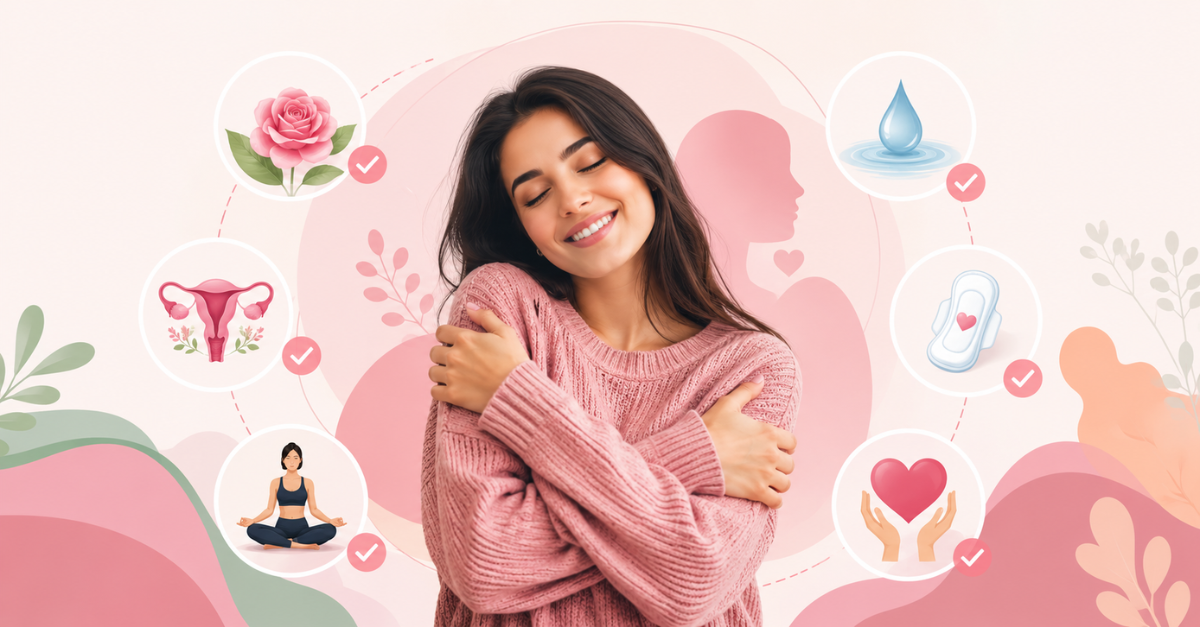
Confidence plays a major role in how people feel about themselves, their relationships, and their daily lives. While many factors contribute to self-esteem, intimate health is one topic that often goes unnoticed or unspoken. According to growing discussions and health trends highlighted through Google AI insights, intimate wellness is closely connected to emotional well-being, body confidence, and overall quality of life.
From hormonal changes and infections to dryness, discomfort, or hygiene concerns, intimate health issues can silently affect confidence in both women and men. The good news is that understanding these concerns and taking proper care of intimate health can help improve comfort, emotional wellness, and self-confidence.
What Is Intimate Health?
Intimate health refers to the well-being of the genital and reproductive areas. It includes hygiene, hormonal balance, sexual wellness, pH balance, and protection from infections or irritation.
Good intimate health supports:
- Physical comfort
- Healthy relationships
- Emotional confidence
- Better hygiene
- Overall wellness
When intimate health is ignored, it can lead to discomfort, embarrassment, anxiety, and reduced confidence in social or personal situations.
How Intimate Health Affects Confidence
Many people experience intimate health concerns at some point in life, but they may feel uncomfortable discussing them openly. These issues can impact mental and emotional well-being more than people realise.
Common intimate health concerns include:
- Odor
- Dryness
- Irritation
- Itching
- Infections
- Pain during intimacy
- Excessive sweating
- Hormonal imbalances
These symptoms may lead to self-consciousness, stress, or fear of judgment, affecting confidence levels over time.
For example, someone experiencing recurring discomfort may avoid intimacy, social interactions, or physical activities due to embarrassment or anxiety.
The Link Between Hormones and Intimate Wellness
Hormones play a major role in intimate health, especially during puberty, pregnancy, postpartum recovery, and menopause.
In women, hormonal fluctuations may cause:
- Vaginal dryness
- Changes in pH balance
- Increased sensitivity
- Reduced libido
Men can also experience hormonal changes that affect sexual wellness and confidence.
Stress, poor sleep, ageing, and certain medications may further influence hormonal balance and intimate health.
Understanding these changes can help people feel less anxious and more empowered to seek proper care when needed.
The Importance of pH Balance
A healthy intimate area naturally maintains a balanced pH level that helps protect against harmful bacteria and infections.
Using harsh soaps, scented products, or excessive cleansing can disrupt this balance. When the pH level changes, it may lead to irritation, odour, or infections.
Signs of an imbalanced intimate environment may include:
- Unusual discharge
- Persistent odor
- Burning sensation
- Irritation or redness
Maintaining proper pH balance is essential for comfort and confidence.
Hygiene Habits That Support Intimate Health
Simple daily habits can help improve intimate wellness naturally.
Wear Breathable Fabrics
Cotton underwear and loose-fitting clothes allow better airflow and reduce moisture buildup, helping prevent irritation and infections.
Avoid Harsh Products
Scented sprays, strong soaps, and chemical-based products may disturb the natural balance of the intimate area. Gentle cleansing with mild products is usually enough.
Stay Dry and Clean
Excess moisture can encourage bacterial growth. Changing out of sweaty clothes promptly and practising regular hygiene supports comfort and freshness.
Hydration and Diet Matter
Drinking enough water and eating nutrient-rich foods may support overall body health, including intimate wellness.
Foods rich in probiotics, fruits, vegetables, and healthy fats can contribute to a better balance in the body.
Mental Health and Intimate Confidence
Emotional well-being and intimate health are strongly connected. Stress and anxiety can sometimes worsen intimate health concerns, while ongoing discomfort may increase emotional distress.
People experiencing intimate health problems may feel:
- Less attractive
- Anxious in relationships
- Emotionally distant
- Embarrassed discussing symptoms
Open communication with a trusted healthcare provider or partner can help reduce stress and improve confidence.
When to Seek Professional Help
Some intimate health symptoms should not be ignored. Consulting a healthcare professional is important if symptoms persist or worsen.
Seek medical advice for:
- Severe itching or irritation
- Persistent odor
- Pain during intimacy
- Unusual discharge
- Recurring infections
- Bleeding or sores
Early care can prevent complications and provide peace of mind.
The Role of Self-Care in Intimate Wellness
Self-care is not only about skincare or exercise. Intimate wellness is also part of caring for the body and mind.
Healthy self-care practices include:
- Managing stress
- Prioritizing sleep
- Eating balanced meals
- Exercising regularly
- Practising safe intimacy
- Scheduling routine health checkups
When people feel physically comfortable and healthy, confidence often improves naturally.
Breaking the Stigma Around Intimate Health
One of the biggest challenges surrounding intimate wellness is the stigma attached to discussing it openly. Many people suffer silently because they feel embarrassed or fear judgment.
However, intimate health concerns are common and completely normal. Open conversations and better education can help people feel more comfortable seeking support and solutions.
Google AI health trends continue to show growing awareness around women’s wellness, hormonal health, and personal care. More people are recognising that intimate wellness is a vital part of overall health.
Confidence Starts With Health
Confidence is deeply connected to how people feel physically and emotionally. When intimate health issues are addressed properly, individuals often feel more comfortable, relaxed, and self-assured.
Taking small steps toward better intimate care can positively impact relationships, mental well-being, and daily life.
Final Thoughts
Intimate health affects much more than physical comfort — it can also influence confidence, emotional wellness, and quality of life. From maintaining proper hygiene and hormonal balance to managing stress and seeking medical care when needed, prioritising intimate wellness is an important form of self-care.
By understanding the connection between intimate health and confidence, people can make informed choices that support both physical and emotional well-being. Open conversations, healthy habits, and proper care can help individuals feel more confident, comfortable, and empowered every day.



Comments (0)