
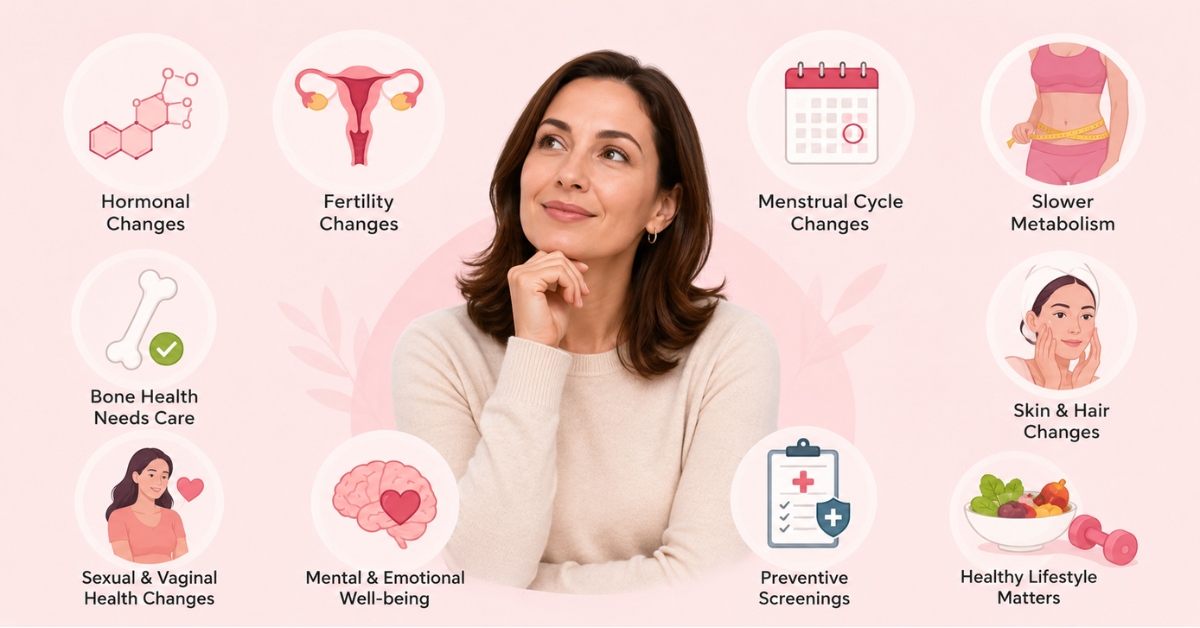
Turning 35 is an important milestone in a woman’s life. Many women feel healthier, wiser, and more confident during this stage. However, the body also begins to go through natural hormonal and physical changes that can affect fertility, metabolism, menstrual cycles, skin, bones, and overall health. While these changes are completely normal, understanding them early can help women take better care of their bodies and maintain long-term wellness.
A gynaecologist often advises women over 35 to pay closer attention to preventive healthcare, lifestyle habits, and reproductive health. The good news is that with the right diet, exercise, screenings, and self-care, women can continue to live active and healthy lives well beyond their mid-30s.
Hormonal Changes Become More Noticeable
After 35, hormone levels slowly begin to shift. Estrogen and progesterone may not remain as balanced as they were during the twenties and early thirties. These hormonal fluctuations can lead to several noticeable symptoms, including:
- Irregular periods
- Mood swings
- Fatigue
- Sleep disturbances
- Mild weight gain
- Reduced energy levels
Some women may also experience stronger PMS symptoms than before. Although menopause is still years away for many women, the body may start preparing for the transition gradually.
Fertility Naturally Declines
One of the biggest changes after 35 is a gradual decline in fertility. Women are born with a fixed number of eggs, and both the quantity and quality decrease with age. This does not mean pregnancy is impossible after 35, but conception may take longer.
Gynaecologists often explain that women over 35 may have:
- Reduced ovarian reserve
- Higher risk of miscarriage
- Increased chances of pregnancy complications
- Greater likelihood of chromosomal abnormalities
Women planning a pregnancy after 35 are usually advised to maintain a healthy lifestyle and consult a doctor early for fertility guidance if needed.
Menstrual Cycles May Change
Periods may become lighter, heavier, shorter, or less predictable after 35. Some women notice spotting between cycles or more painful cramps than before. These changes are often linked to hormonal fluctuations.
However, sudden or severe menstrual changes should never be ignored. Heavy bleeding, extremely painful periods, or missed cycles may indicate conditions such as:
- Fibroids
- Endometriosis
- Polycystic Ovary Syndrome (PCOS)
- Thyroid imbalance
Regular gynaecological check-ups become increasingly important during this stage.
Metabolism Starts Slowing Down
Many women notice weight gain after 35, even without major lifestyle changes. This happens because metabolism naturally slows with age. Hormonal changes, stress, lack of sleep, and reduced muscle mass can all contribute to difficulty maintaining weight.
A gynaecologist may recommend:
- Strength training exercises
- A balanced protein-rich diet
- Better sleep habits
- Stress management
- Regular physical activity
Focusing on long-term healthy habits becomes more important than crash dieting.
Bone Health Needs More Attention
Estrogen plays a major role in maintaining bone strength. As estrogen levels begin fluctuating after 35, bone density may slowly decrease over time. This increases the future risk of osteoporosis and fractures.
To protect bone health, women are often advised to:
- Consume enough calcium and vitamin D
- Exercise regularly
- Avoid smoking
- Limit excessive alcohol intake
- Maintain a healthy body weight
Weight-bearing exercises such as walking, yoga, and strength training can help keep bones strong.
Skin and Hair Changes May Appear
Collagen production gradually decreases after 35, which can affect skin elasticity and hair texture. Some women may notice:
- Fine lines and wrinkles
- Dry skin
- Hair thinning
- Increased pigmentation
- Reduced skin firmness
Hormonal imbalances, stress, and nutritional deficiencies can make these changes more noticeable. Hydration, proper skincare, sun protection, and a nutritious diet can help support healthy skin and hair.
Sexual and Vaginal Health Can Change
Many women experience changes in sexual health after 35. Hormonal shifts may cause:
- Vaginal dryness
- Lower libido
- Discomfort during intercourse
- Increased vaginal infections
These symptoms are common and manageable. Gynaecologists often recommend open discussions about intimate health, as treatments and lifestyle changes can significantly improve comfort and confidence.
Mental and Emotional Health Matters Too
Women over 35 often balance careers, family responsibilities, parenting, and personal goals all at once. This stage of life can sometimes increase stress and emotional exhaustion.
Hormonal changes may also affect mood and emotional well-being. Anxiety, irritability, and burnout can become more common if stress is not managed properly.
Mental health support is just as important as physical health. Activities such as:
- Meditation
- Regular exercise
- Quality sleep
- Social support
- Therapy or counselling
can help improve emotional balance and overall wellness.
Preventive Screenings Become Essential
After 35, preventive healthcare becomes more important than ever. A gynaecologist may recommend regular screenings to detect health issues early.
Important check-ups may include:
- Pap smear tests
- HPV screening
- Breast examinations
- Pelvic ultrasounds
- Thyroid tests
- Blood sugar and cholesterol monitoring
Early detection helps manage many conditions before they become serious.
Healthy Lifestyle Choices Make a Big Difference
The body may change after 35, but healthy habits can greatly improve the quality of life. Gynaecologists emphasise consistency over perfection. Small daily habits often create the biggest long-term benefits.
Women are encouraged to:
- Eat nutrient-rich foods
- Stay physically active
- Manage stress effectively
- Prioritize sleep
- Stay hydrated
- Avoid smoking and excessive alcohol use
Listening to the body and seeking medical advice when needed can help women stay healthier and more confident during every stage of life.
Final Thoughts
Changes after 35 are a natural part of a woman’s health journey. While fertility, hormones, metabolism, and physical health may shift gradually, these changes do not mean losing vitality or wellness. Instead, this phase is an opportunity to focus more intentionally on self-care, preventive health, and emotional well-being.
Regular visits to a trusted gynaecologist, combined with healthy lifestyle choices, can help women navigate these changes with confidence and strength. Every woman’s body is different, and understanding those changes early can lead to better health outcomes for the years ahead.



Comments (0)