
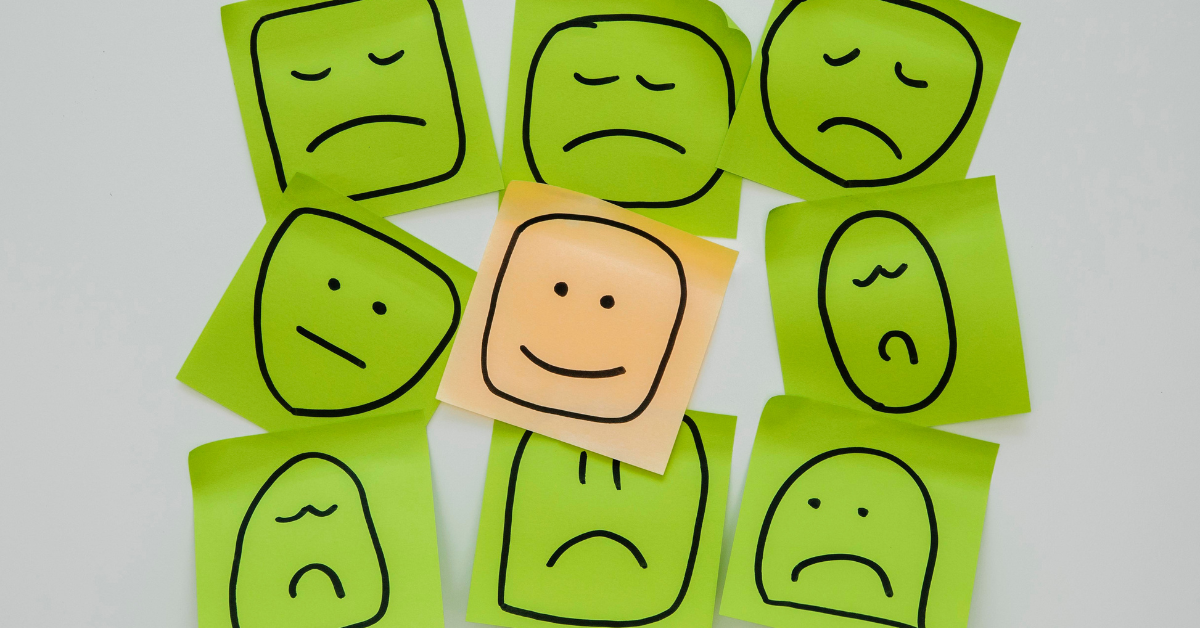
We all experience mood changes—some days we feel energetic and optimistic, while on others we may feel low, anxious, or overwhelmed. But have you ever noticed patterns in your moods? These recurring emotional shifts can offer valuable insights into your mental well-being. Understanding your mood patterns is not just about tracking emotions—it’s about recognising deeper signals your mind and body are trying to communicate.
In this guide, we’ll explore how mood patterns reflect your mental health, what different patterns may indicate, and how you can use this awareness to improve your overall well-being.
Understanding Mood Patterns
Mood patterns refer to the recurring emotional states you experience over time. These patterns can be influenced by:
- Daily routines
- Sleep quality
- Hormonal changes
- Stress levels
- Diet and lifestyle
Occasional mood swings are normal, but consistent patterns may indicate underlying mental health conditions such as Depression or Anxiety.
Common Mood Patterns and What They Mean
1. Persistent Low Mood
If you frequently feel sad, unmotivated, or emotionally drained, it could be more than just a bad day.
What it may indicate:
- Chronic stress
- Burnout
- Early Signs of Depression
What to watch for:
- Loss of interest in activities
- Changes in sleep or appetite
- Difficulty concentrating
2. Frequent Anxiety or Restlessness
Do you often feel on edge or worried without a clear reason?
Possible causes:
- Work or life stress
- Overthinking habits
- Generalized Anxiety
Signs include:
- Racing thoughts
- Difficulty relaxing
- Physical symptoms like a fast heartbeat
3. Mood Swings
Sudden shifts from happiness to irritability or sadness can be confusing and exhausting.
What it may reveal:
- Hormonal imbalances
- Emotional sensitivity
- Conditions like Bipolar Disorder
Tracking when these shifts occur can help identify triggers.
4. Irritability and Anger
Feeling easily annoyed or frustrated might seem minor, but frequent irritability can signal deeper issues.
Possible reasons:
- Chronic stress
- Sleep deprivation
- Unresolved emotional concerns
5. Emotional Numbness
If you feel disconnected or “flat,” it could be a sign your mind is overwhelmed.
What it may indicate:
- Emotional burnout
- Trauma response
- Symptoms of Depression
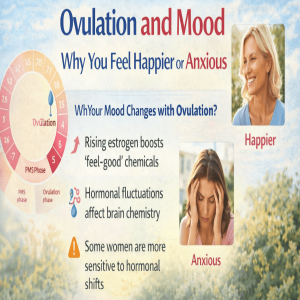
The Role of Hormones in Mood Patterns
Hormonal fluctuations can significantly impact mood, especially in women. Life stages such as menstruation, pregnancy, and menopause often bring noticeable emotional changes.
These shifts can lead to:
- Increased anxiety
- Irritability
- Temporary mood swings
Understanding this connection helps in managing expectations and responses to emotional changes.
How Lifestyle Influences Your Mood
Your daily habits play a major role in shaping your emotional state.
1. Sleep
Lack of sleep can lead to irritability, low energy, and poor emotional regulation.
2. Diet
Nutrient deficiencies can affect brain function and mood stability.
3. Physical Activity
Exercise releases endorphins, which naturally boost mood.
4. Screen Time
Excessive use of social media can contribute to stress and comparison-related anxiety.
Why Tracking Mood Patterns Matters
Recognising patterns allows you to:
- Identify emotional triggers
- Understand how your environment affects you
- Detect early signs of mental health issues
- Make informed lifestyle changes
Simple ways to track your mood:
- Journaling daily emotions
- Using mood-tracking apps
- Noting sleep, diet, and stress levels
Over time, these records can reveal valuable insights into your mental health.
When to Seek Professional Help
While self-awareness is powerful, some mood patterns require professional attention.
Consider seeking help if:
- Your mood interferes with daily life
- Symptoms persist for weeks
- You experience extreme highs or lows
- You feel overwhelmed or unable to cope
Mental health professionals can provide guidance, therapy, and support tailored to your needs.
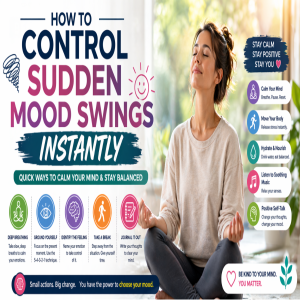
Practical Tips to Improve Mood Stability
1. Build a Routine
Consistency helps regulate your body and mind.
2. Practice Mindfulness
Meditation and deep breathing can reduce stress and improve emotional control.
3. Stay Connected
Talking to friends or family can provide emotional support.
4. Limit Stressors
Identify and reduce sources of unnecessary stress.
5. Prioritise Self-Care
Simple activities like reading, walking, or listening to music can uplift your mood.
The Mind-Body Connection
Your mental health is closely linked to your physical health. Conditions like chronic illness, fatigue, or pain can influence mood patterns.
Similarly, emotional stress can manifest physically through:
- Headaches
- Digestive issues
- Muscle tension
Taking a holistic approach ensures both your mind and body are cared for.
Final Thoughts
Your mood patterns are more than just fleeting emotions—they are valuable indicators of your mental health. By paying attention to recurring emotional changes, you can gain deeper insight into your well-being and take proactive steps toward balance and stability.
Whether it’s recognising signs of Depression, managing Anxiety, or simply improving daily habits, understanding your moods empowers you to take control of your mental health journey.
Remember, it’s okay to seek help, make changes, and prioritise your emotional well-being—because a healthy mind is the foundation of a fulfilling life.


Comments (0)