

Polycystic Ovarian Disease (PCOD) is a common hormonal condition that affects millions of women worldwide, especially during their reproductive years. Despite its prevalence, many people are still unaware of what PCOD is, its symptoms, and how it impacts the menstrual cycle. Understanding this condition is the first step toward managing it effectively.
What is PCOD?
PCOD (Polycystic Ovarian Disease) is a condition in which a woman's ovaries produce immature or partially mature eggs, which eventually turn into cysts. Over time, these cysts accumulate in the ovaries, causing them to enlarge and leading to hormonal imbalances.
In PCOD, the body produces higher-than-normal levels of androgens (male hormones), which can disrupt the normal functioning of the ovaries and affect ovulation.
Causes of PCOD
While the exact cause of PCOD is not fully known, several factors contribute to its development:
- Hormonal imbalance (especially excess androgens)
- Insulin resistance
- Genetics (family history of PCOD)
- Unhealthy lifestyle and poor diet
- Stress and lack of physical activity
Common Symptoms of PCOD
PCOD symptoms can vary from person to person, but some of the most common signs include:
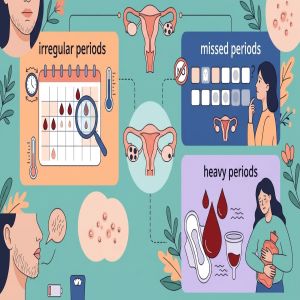
- Irregular periods or missed periods
- Heavy menstrual bleeding
- Acne and oily skin
- Excess hair growth on face and body (hirsutism)
- Weight gain or difficulty losing weight
- Hair thinning or hair loss
- Difficulty conceiving
How PCOD Affects Your Menstrual Cycle
One of the most noticeable effects of PCOD is its impact on the menstrual cycle. Here's how it disrupts normal menstrual health:
1. Irregular Periods
In a healthy cycle, the ovaries release an egg each month (ovulation). However, in PCOD, ovulation may not occur regularly due to hormonal imbalance. This leads to:
- Delayed periods
- Skipped cycles
- Unpredictable menstrual patterns
2. Absence of Ovulation (Anovulation)
When ovulation doesn’t occur, the body doesn’t follow the normal menstrual cycle. This condition, called anovulation, is a key reason why periods become irregular or stop altogether in PCOD.
3. Heavy or Prolonged Bleeding
When periods do occur, they may be heavier or last longer than usual. This happens because the uterine lining builds up over time due to delayed shedding.
4. Hormonal Imbalance
Elevated androgen levels interfere with the release of eggs from the ovaries. This imbalance also affects other hormones like estrogen and progesterone, further disrupting the menstrual cycle.
5. Increased Risk of Fertility Issues
Since ovulation is irregular, it can make it more difficult to conceive. However, with proper treatment and lifestyle changes, many women with PCOD can achieve a healthy pregnancy.
PCOD vs PCOS: Is There a Difference?
PCOD and Polycystic Ovary Syndrome (PCOS) are often used interchangeably, but they are slightly different:
- PCOD is a condition where ovaries release immature eggs that become cysts.
- PCOS is a more severe metabolic disorder involving hormonal imbalance and systemic complications.
Both conditions affect menstrual health, but PCOS typically has more serious long-term health implications.
Managing PCOD and Regulating Your Cycle
Although PCOD cannot always be completely cured, it can be effectively managed with the right approach:
1. Healthy Diet
- Eat balanced meals rich in fiber, protein, and healthy fats
- Reduce processed foods and sugar intake
2. Regular Exercise
- Helps in weight management
- Improves insulin sensitivity
3. Stress Management
- Practice yoga, meditation, or deep breathing
- Maintain a healthy sleep routine
4. Medical Treatment
- Doctors may prescribe hormonal medications or birth control pills
- Treatment depends on symptoms and individual health goals
When to See a Doctor
You should consult a healthcare professional if you experience:
- Irregular or missed periods for several months
- Excessive hair growth or acne
- Sudden weight gain
- Difficulty getting pregnant
Early diagnosis and treatment can prevent complications and improve quality of life.
Conclusion
PCOD is a manageable condition, but it requires awareness and consistent care. Its impact on the menstrual cycle can be significant, leading to irregular periods and hormonal imbalances. By adopting a healthy lifestyle and seeking medical guidance, women with PCOD can effectively regulate their cycles and lead a healthy life.
Understanding your body is empowering—if you notice any unusual changes in your menstrual cycle, don’t ignore them. Taking timely action can make all the difference.



Comments (0)