
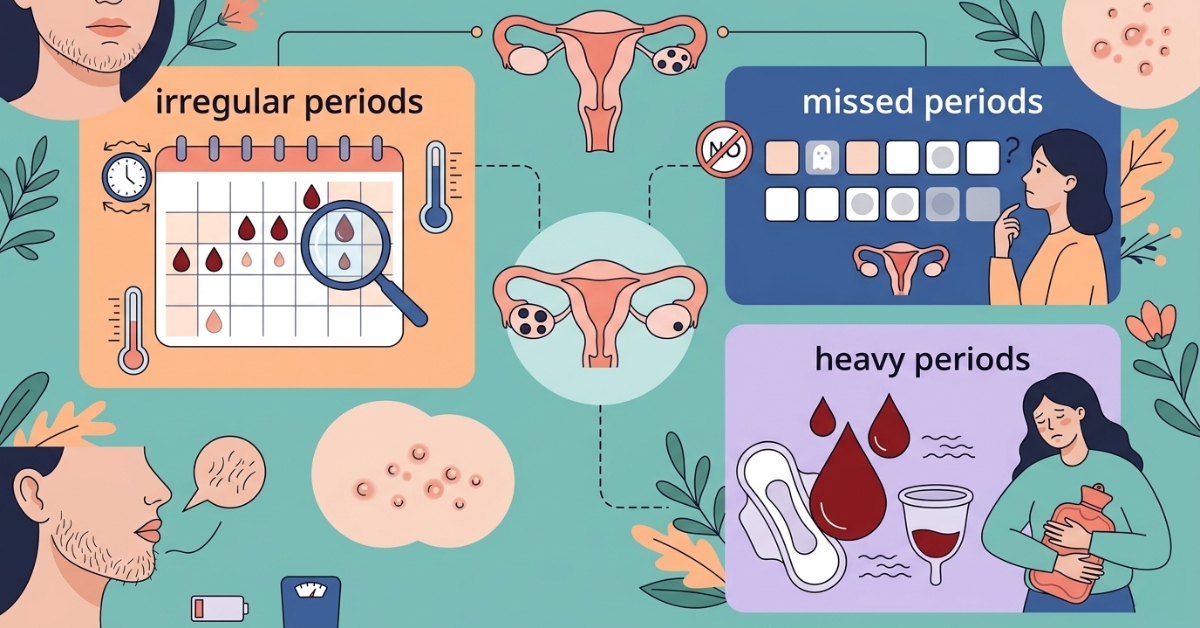
Polycystic Ovary Syndrome (PCOS) is one of the most common hormonal disorders affecting women of reproductive age. Yet, many people don’t recognize the early signs until symptoms become more noticeable. One of the biggest ways PCOS shows up is through changes in your menstrual cycle. Understanding how PCOS affects your periods—and spotting early warning signs—can help you seek timely care and manage your health better.
What is PCOS?
PCOS is a hormonal imbalance where the ovaries produce higher-than-normal levels of androgens (male hormones). This imbalance can interfere with ovulation, leading to irregular periods and other symptoms like acne, weight gain, and hair growth.
How PCOS Affects Your Periods
Your menstrual cycle depends on a delicate balance of hormones. When PCOS disrupts this balance, it can cause several changes:
1. Irregular Periods
One of the most common signs of PCOS is irregular menstrual cycles. You may experience:
- Skipping periods for months
- Cycles longer than 35 days
- Unpredictable timing
This happens because ovulation may not occur regularly.
2. Missed Periods (Amenorrhea)
Some women with PCOS may stop having periods altogether. Without ovulation, the uterine lining doesn’t shed regularly, leading to missed cycles.
3. Heavy or Prolonged Bleeding
When periods do occur, they can be heavier than usual. This is because the uterine lining builds up over time due to missed cycles, resulting in heavier shedding.
4. Light or Short Periods
In some cases, periods may be unusually light or last only a couple of days due to hormonal fluctuations.
5. Painful Periods
Although not always present, some individuals may experience increased cramping due to hormonal imbalance and irregular shedding of the uterine lining.
Early Warning Signs of PCOS
Recognizing early symptoms can help you take action sooner. Here are key signs to watch for:
1. Irregular Menstrual Cycle
If your periods are consistently unpredictable or absent, it could be an early indicator of PCOS.
2. Excess Hair Growth (Hirsutism)
Unwanted hair growth on the face, chest, or back is caused by elevated androgen levels.
3. Persistent Acne
Hormonal acne, especially along the jawline and chin, can be a sign of PCOS.
4. Sudden Weight Gain or Difficulty Losing Weight
Many people with PCOS experience insulin resistance, making weight management more challenging.
5. Thinning Hair or Hair Loss
Hair thinning on the scalp (similar to male-pattern baldness) can occur due to hormonal imbalance.
6. Dark Patches on Skin
Darkened skin around the neck, underarms, or groin (a condition called acanthosis nigricans) may indicate insulin resistance.
7. Fertility Issues
Difficulty getting pregnant due to irregular ovulation is another early sign.
Why Early Detection Matters
Untreated PCOS can lead to long-term health issues such as:
- Type 2 diabetes
- Heart disease
- Endometrial problems
- Infertility
Early diagnosis allows for better symptom management and reduces future health risks.
When Should You See a Doctor?
Consider consulting a healthcare professional if you:
- Miss periods frequently
- Have excessive hair growth or acne
- Notice sudden weight changes
- Are trying to conceive without success
A doctor may recommend blood tests, ultrasound, and lifestyle assessments to confirm a diagnosis.
Managing PCOS Symptoms
While there is no cure for PCOS, symptoms can be managed effectively through:
- Healthy Diet: Focus on whole foods and balanced nutrition
- Regular Exercise: Helps regulate hormones and improve insulin sensitivity
- Medications: Hormonal treatments or insulin-regulating drugs may be prescribed
- Stress Management: Yoga, meditation, and sleep play a key role
Final Thoughts
PCOS can significantly impact your menstrual cycle, but recognizing early warning signs can make a big difference. If you notice persistent irregularities in your periods or other symptoms, don’t ignore them. Early intervention can help you manage PCOS effectively and maintain overall well-being.




Comments (0)