
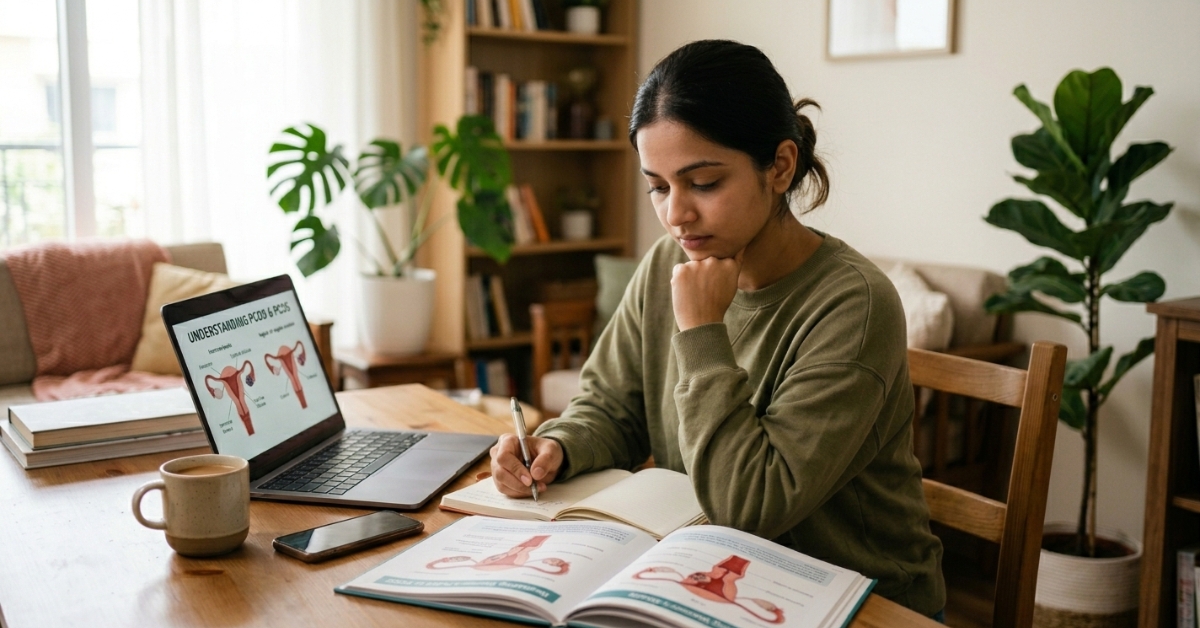
Hormonal health plays a major role in a woman’s overall well-being, and conditions like PCOD and PCOS are becoming increasingly common. While these terms are often used interchangeably, they are not the same. Understanding the difference between PCOD and PCOS—and how each affects your menstrual cycle—is essential for early diagnosis, better management, and improved reproductive health.
What is PCOD?
PCOD (Polycystic Ovarian Disease) is a condition where the ovaries release immature or partially mature eggs, which eventually turn into cysts. This leads to enlarged ovaries and hormonal imbalances.
Key Characteristics of PCOD:
- Irregular menstrual cycles
- Weight gain
- Acne and excessive hair growth
- Enlarged ovaries with multiple small cysts
PCOD is relatively common and is considered less severe compared to PCOS. It can often be managed effectively with lifestyle changes such as a healthy diet, regular exercise, and stress management.
What is PCOS?
PCOS (Polycystic Ovary Syndrome) is a more serious metabolic and hormonal disorder. It involves higher levels of androgens (male hormones), which can interfere with ovulation.
Key Characteristics of PCOS:
- Severe hormonal imbalance
- Irregular or missed periods
- Difficulty in ovulation
- Insulin resistance
- Increased risk of diabetes and heart disease
PCOS is not just a reproductive issue—it affects the entire body and requires medical attention along with lifestyle management.
PCOD vs PCOS: The Key Differences
| Factor | PCOD | PCOS |
|---|---|---|
| Nature | Ovarian disorder | Endocrine (hormonal) syndrome |
| Severity | Mild | More severe |
| Ovulation | Occasional irregularity | Often absent |
| Fertility Impact | Less severe | Can cause infertility |
| Treatment | Lifestyle changes | Medical + lifestyle intervention |
How PCOD Affects Your Periods
Women with PCOD often experience irregular periods due to inconsistent ovulation. The ovaries may not release eggs regularly, causing delayed cycles.
Common Period Issues in PCOD:
- Delayed periods
- Heavy bleeding
- Skipped cycles
- Mild cramps
However, with proper lifestyle changes, many women can restore regular cycles.
How PCOS Affects Your Periods
PCOS has a more significant impact on menstrual health due to hormonal imbalance and lack of ovulation.
Common Period Issues in PCOS:
- Missed periods (amenorrhea)
- Very infrequent cycles (oligomenorrhea)
- Prolonged bleeding
- Spotting between cycles
In PCOS, the uterine lining may build up over time due to lack of regular shedding, increasing the risk of complications.
Why Regular Periods Matter
Irregular periods are not just an inconvenience—they can signal underlying hormonal imbalances. If left untreated, both PCOD and PCOS can lead to:
- Fertility issues
- Endometrial problems
- Increased risk of metabolic disorders
Diagnosis and When to See a Doctor
If you notice persistent irregular periods, excessive hair growth, acne, or unexplained weight gain, it’s important to consult a healthcare professional. Diagnosis typically involves:
- Ultrasound imaging
- Hormonal blood tests
- Medical history evaluation
Managing PCOD and PCOS
Lifestyle Changes:
- Balanced diet (low sugar, high fiber)
- Regular physical activity
- Stress management (yoga, meditation)
- Maintaining a healthy weight
Medical Treatments:
- Hormonal therapy (birth control pills)
- Insulin-sensitizing medications
- Fertility treatments (if needed)
Final Thoughts
While PCOD and PCOS may sound similar, they differ in severity, causes, and long-term health implications. Both conditions can disrupt your menstrual cycle, but early intervention and proper management can make a significant difference.
Understanding your body and paying attention to menstrual irregularities is the first step toward better reproductive health. If you suspect symptoms of PCOD or PCOS, don’t ignore them—seek medical guidance and take control of your health.




Comments (0)