
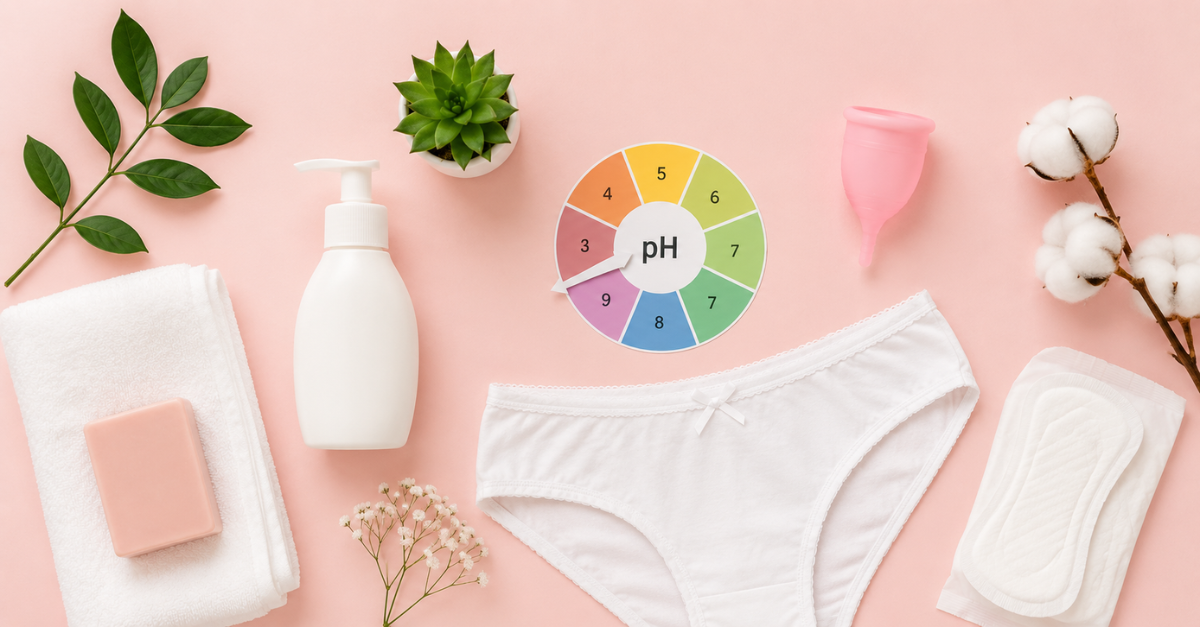
When it comes to intimate health and hygiene, misinformation is everywhere. From social media trends to old household advice, many myths about pH balance and feminine hygiene continue to spread despite medical evidence proving otherwise. Unfortunately, believing these myths can sometimes do more harm than good.
Understanding how your body naturally works is one of the most important steps toward maintaining good intimate health. Your body is designed to protect itself, and in most cases, less interference is actually better. Knowing what supports a healthy pH balance—and what disrupts it—can help prevent discomfort, infections, irritation, and unnecessary anxiety.
What Does pH Balance Mean?
The term “pH” refers to how acidic or alkaline something is. The vaginal area naturally maintains a slightly acidic pH, usually between 3.8 and 4.5. This acidity helps healthy bacteria thrive while preventing harmful bacteria and yeast from overgrowing.
The vagina contains beneficial bacteria called Lactobacilli, which help maintain this acidic environment. When the natural balance is disturbed, it may lead to irritation, odour, infections, or discomfort.
Several factors can temporarily affect vaginal pH, including:
- Menstruation
- Hormonal changes
- Sexual activity
- Antibiotics
- Certain hygiene products
- Sweating and tight clothing
A temporary shift is common, but repeated disruptions may increase the risk of infections like bacterial vaginosis or yeast infections.
Myth #1: Strong Fragrance Means Better Hygiene
One of the biggest myths is that intimate areas should smell like perfume, flowers, or scented soap. In reality, the vagina naturally has a mild scent, and that scent can change slightly throughout the menstrual cycle.
Using heavily scented products such as sprays, washes, deodorants, or perfumed wipes may actually irritate the skin and disrupt healthy bacteria.
Fragranced products can lead to:
- Dryness
- Burning
- Itching
- Allergic reactions
- pH imbalance
The truth is that healthy intimate areas do not need artificial fragrance to be considered clean.
Myth #2: Douching Keeps the Vagina Clean
Douching is often marketed as a way to “clean” the vagina, but medical experts generally advise against it.
The vagina is self-cleaning. It naturally removes dead cells and maintains bacterial balance without needing internal cleansing products.
Douching can actually wash away beneficial bacteria and increase the risk of:
- Bacterial vaginosis
- Yeast infections
- Irritation
- Pelvic infections
If there is a persistent odour, unusual discharge, or discomfort, it’s better to consult a healthcare professional rather than trying to mask symptoms with douching products.
Myth #3: All Vaginal Discharge Is a Sign of Infection
Many people worry whenever they notice vaginal discharge, but discharge is usually completely normal.
Healthy discharge helps clean and protect the vagina. Its consistency and appearance can naturally change during ovulation, menstruation, pregnancy, or hormonal shifts.
Normal discharge is often:
- Clear or white
- Mild-smelling
- Non-irritating
However, discharge accompanied by strong odour, itching, burning, green colour, or pain may indicate an infection and should be evaluated by a doctor.
Myth #4: Tight Clothing Has No Effect on Intimate Health
Tight clothing, especially non-breathable fabrics, can trap moisture and heat. This creates an environment where yeast and bacteria may grow more easily.
While wearing tight clothes occasionally is usually fine, constantly wearing synthetic underwear or overly tight leggings may increase irritation or sweating.
Choosing breathable cotton underwear and changing out of sweaty clothes promptly can help maintain comfort and hygiene.
Myth #5: More Washing Means Better Hygiene
Overwashing can strip away natural moisture and protective bacteria.
Using harsh soaps multiple times a day may lead to:
- Dryness
- Sensitivity
- Redness
- Irritation
Warm water and a mild, unscented cleanser on the external area are usually enough for daily hygiene. The internal vaginal canal does not require special cleaning products.
Common Causes of pH Imbalance
Several everyday habits may unintentionally disturb vaginal pH balance.
Antibiotics
Antibiotics kill harmful bacteria, but they can also reduce healthy bacteria, making yeast infections more likely.
Scented Products
Perfumed products often irritate sensitive tissues and affect healthy bacterial balance.
Hormonal Changes
Pregnancy, menopause, menstruation, and birth control may all influence vaginal pH.
Unprotected Sex
Semen has a higher pH level, which can temporarily alter vaginal acidity.
Poor Hygiene Habits
Not changing wet clothes, pads, or underwear regularly may increase moisture buildup and irritation.
Signs Your pH May Be Disrupted
Some common signs of imbalance include:
- Fishy or strong odour
- Itching or burning
- Grey, yellow, or green discharge
- Discomfort during urination
- Irritation or redness
Persistent symptoms should not be ignored. Self-diagnosing online can sometimes lead to incorrect treatment and worsen the problem.
How to Support a Healthy pH Balance Naturally
Maintaining intimate health does not require complicated routines or expensive products. Simple habits are often the most effective.
Wear Breathable Fabrics
Cotton underwear allows airflow and reduces excess moisture.
Avoid Scented Hygiene Products
Choose fragrance-free soaps, pads, and wipes whenever possible.
Stay Hydrated
Proper hydration supports overall body health, including skin and mucous membranes.
Practice Safe Hygiene
Change out of sweaty clothes promptly and maintain regular bathing habits without overwashing.
Eat a Balanced Diet
Foods rich in probiotics, fruits, vegetables, and whole grains may help support healthy bacteria.
Avoid Unnecessary Antibiotic Use
Only take antibiotics when prescribed and medically necessary.
The Truth About Probiotics and Feminine Health
Probiotics are often promoted for vaginal health, but not all products are equally effective.
Some studies suggest certain probiotic strains may support healthy vaginal bacteria, especially after antibiotic use. However, probiotics are not a guaranteed cure for infections or imbalance.
A healthy lifestyle, proper hygiene, and medical guidance remain more important than relying solely on supplements.
When Should You See a Doctor?
It’s important to seek medical advice if you experience:
- Persistent odor
- Severe itching or burning
- Pain during urination
- Unusual discharge
- Recurrent infections
- Pelvic pain
Ignoring symptoms or trying multiple home remedies without a proper diagnosis can sometimes worsen underlying conditions.
Stop Believing Harmful Internet Trends
Social media has introduced countless intimate hygiene “hacks,” including homemade washes, excessive steaming, lemon treatments, and other unsafe practices. Many of these trends lack scientific support and may damage sensitive tissues.
The healthiest approach is usually the simplest one: support your body’s natural balance rather than constantly trying to change it.
Final Thoughts
Understanding pH balance and intimate hygiene can help you make healthier and more confident choices. The vagina is naturally designed to maintain its own protective environment, and most aggressive cleansing methods are unnecessary.
Instead of believing myths about fragrance, douching, or excessive washing, focus on gentle hygiene, breathable clothing, balanced nutrition, and listening to your body’s signals.
Good intimate health is not about achieving perfection or eliminating every natural scent. It’s about maintaining comfort, balance, and overall wellness through informed and healthy habits.



Comments (0)