

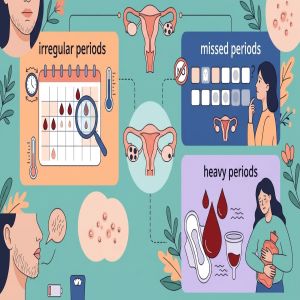
Irregular periods are a common concern for many women at various stages of their lives. Defined by variations in the timing, duration, or flow of menstrual cycles, these irregularities can be symptomatic of underlying health issues or lifestyle imbalances. Understanding the potential causes and exploring effective remedies can help in managing or even resolving this often stressful condition.
Common Causes of Irregular Periods
Several factors can lead to irregular menstrual cycles. Identifying the root cause is crucial for determining the appropriate treatment or lifestyle adjustments. Here are some of the most common culprits:
Hormonal Imbalance
Hormones like estrogen and progesterone play a significant role in regulating the menstrual cycle. Any imbalance in these hormones can cause irregular periods. Conditions such as polycystic ovary syndrome (PCOS), thyroid disorders, and early menopause are often associated with hormonal disruptions.
Stress and Lifestyle Factors
High levels of stress can affect the part of the brain responsible for hormone production, leading to menstrual irregularities. Additionally, extreme weight loss, excessive exercise, and poor diet are lifestyle factors that can disrupt your cycle.
Contraceptives
Certain birth control methods, particularly hormonal ones like the pill, IUDs, or implants, can cause irregular bleeding, especially when first used or discontinued.
Medical Conditions
Underlying medical conditions such as polycystic ovary syndrome (PCOS), uterine fibroids, and endometriosis can affect menstrual regularity. It’s important to consult a healthcare provider for diagnosis and treatment.
How to Manage or Fix Irregular Periods
Management of irregular periods depends largely on the underlying cause. Here are some general strategies that might help:
Maintain a Healthy Weight
Excess body weight can cause hormonal imbalances that may lead to irregular periods, while being underweight can cause periods to cease altogether. Maintaining a healthy weight through a balanced diet and regular exercise can help regulate your cycle.
Manage Stress
Since stress can impact your menstrual cycle, finding effective stress management techniques such as yoga, meditation, or therapy can be beneficial.
Consider Medication or Supplements
In cases of hormonal imbalances, your doctor might recommend hormonal contraceptives to regulate your menstrual cycle. Additionally, supplements like vitamin D, B vitamins, and magnesium might help. However, always consult with a healthcare provider before starting any new medication or supplement.
Regular Medical Checkups
Regular visits to your healthcare provider are important for maintaining overall health and managing any menstrual irregularities. They can provide guidance based on the specific cause of your irregular periods.
Irregular periods can be frustrating and worrying, but in many cases, they can be effectively managed with the right approach. Understanding the underlying causes and engaging with healthcare providers are the first steps towards resolving menstrual irregularities and improving your reproductive health.



Comments (0)