

Polycystic Ovarian Disease (Polycystic Ovarian Disease) is a common hormonal condition affecting many women of reproductive age. Despite its prevalence, early warning signs are often overlooked or dismissed as minor issues. Recognizing these symptoms early can help in timely diagnosis, better management, and prevention of long-term complications.
In this article, we’ll walk you through the early symptoms of PCOD you should never ignore.
What is PCOD?
Polycystic Ovarian Disease is a condition where the ovaries produce immature or partially mature eggs, which over time can develop into cysts. This leads to hormonal imbalances, irregular menstrual cycles, and various metabolic issues.
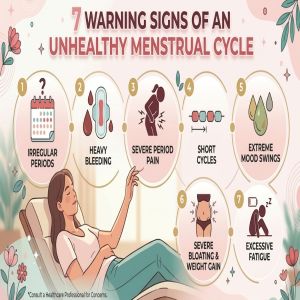
1. Irregular Periods
One of the earliest and most common signs of PCOD is irregular menstruation. This may include:
- Missed periods
- Delayed cycles
- Very light or unusually heavy bleeding
Hormonal imbalance disrupts ovulation, leading to inconsistent menstrual patterns.
2. Excessive Hair Growth (Hirsutism)
If you notice unusual hair growth on areas like the face, chest, back, or abdomen, it could be due to elevated androgen (male hormone) levels. This is a key early indicator of PCOD.
3. Persistent Acne and Oily Skin
Frequent breakouts, especially along the jawline and chin, can signal hormonal imbalance. Acne related to PCOD tends to be stubborn and resistant to regular skincare treatments.
4. Sudden Weight Gain
Unexplained weight gain, particularly around the abdomen, is another warning sign. PCOD often leads to insulin resistance, making it harder for the body to regulate weight.
5. Hair Thinning or Hair Loss
While excess hair appears in some areas, hair thinning on the scalp is also common. This condition, known as female pattern hair loss, can be an early symptom of hormonal imbalance.
6. Dark Patches on Skin
Dark, velvety patches (commonly on the neck, underarms, or groin) may indicate insulin resistance, which is closely linked to PCOD.
7. Difficulty in Losing Weight
Even with proper diet and exercise, many women with PCOD struggle to lose weight due to metabolic changes and insulin resistance.
8. Mood Swings and Fatigue
Hormonal imbalances can impact mental health, leading to:
- Mood swings
- Anxiety
- Low energy levels
These symptoms are often overlooked but are important early signals.
9. Sleep Issues
Women with PCOD may experience sleep disturbances or conditions like sleep apnea, especially if weight gain is present.
When Should You See a Doctor?
If you experience multiple symptoms mentioned above, it’s important to consult a healthcare professional. Early diagnosis can help prevent complications such as:
- Infertility
- Type 2 diabetes
- Heart disease
How to Manage PCOD Early
Early management can significantly improve quality of life. Some effective strategies include:
- Maintaining a balanced diet
- Regular physical activity
- Managing stress levels
- Following medical advice and prescribed treatments
Final Thoughts
Ignoring early symptoms of Polycystic Ovarian Disease can lead to more serious health concerns over time. Being aware of your body and acting on warning signs is the first step toward better hormonal health.
If you suspect anything unusual, don’t delay seeking medical guidance—early intervention can make all the difference.



Comments (0)