
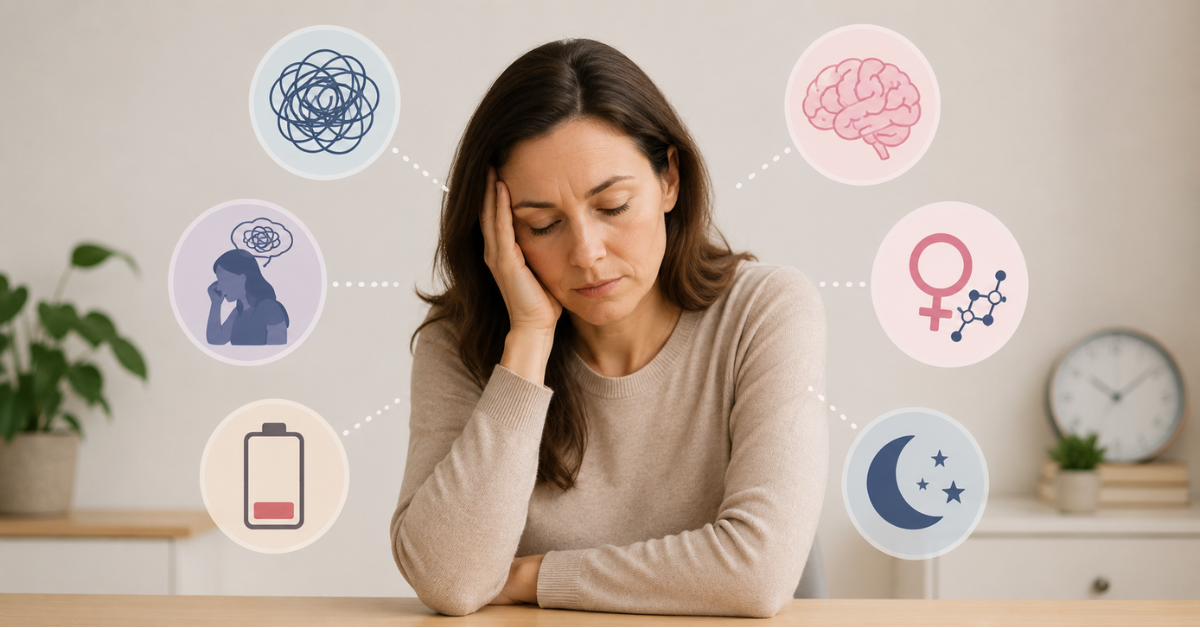
Many women notice emotional and mental changes after the age of 35. Things that once felt manageable suddenly seem overwhelming. Small irritations trigger bigger reactions, anxiety appears more often, and social interactions may start feeling emotionally exhausting. Some women become quieter and more withdrawn, while others feel constantly on edge without fully understanding why.
These changes are often dismissed as “stress” or simply part of getting older. However, emotional shifts after 35 are commonly connected to hormonal changes, lifestyle pressures, sleep disruption, mental overload, and changing brain chemistry. Understanding what’s happening in your body and mind can help you regain emotional balance and improve overall well-being.
Emotional Changes After 35 Are More Common Than You Think
Women in their mid-30s and beyond often juggle multiple responsibilities at once—career demands, parenting, relationships, financial pressure, caregiving, and personal expectations. At the same time, the body begins experiencing gradual hormonal fluctuations that can affect mood and emotional regulation.
You may notice symptoms such as:
- Increased irritability
- Feeling emotionally sensitive
- Anxiety or nervousness
- Mood swings
- Mental exhaustion
- Social withdrawal
- Reduced patience
- Difficulty concentrating
- Feeling disconnected or unmotivated
These changes can happen slowly, making them easy to overlook at first.
Hormonal Changes Can Affect Your Mood
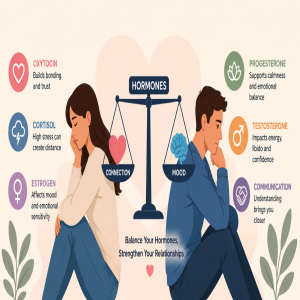
One of the biggest reasons emotional changes occur after 35 is shifting hormone levels. Hormones influence far more than reproductive health—they also affect brain function, stress response, sleep, and emotional stability.
Estrogen Fluctuations
Estrogen supports serotonin and dopamine production, which are chemicals responsible for mood regulation and emotional well-being. As estrogen levels begin fluctuating in the late 30s and early 40s, some women experience:
- Irritability
- Anxiety
- Mood swings
- Low motivation
- Increased emotional sensitivity
Even before menopause begins, hormonal shifts can affect mental health.
Progesterone Decline
Progesterone has calming effects on the nervous system. Lower levels may contribute to:
- Restlessness
- Trouble relaxing
- Sleep issues
- Increased stress response
Women often describe feeling “on edge” without knowing why.
Chronic Stress Changes the Brain and Body
After 35, many women spend years managing nonstop responsibilities with little time for recovery. Long-term stress increases cortisol levels, which can affect emotional control, sleep quality, energy, and mental clarity.
High cortisol may lead to:
- Short temper
- Anxiety
- Brain fog
- Emotional burnout
- Feeling overwhelmed
Over time, the nervous system becomes overstimulated, making emotional reactions feel stronger than they once did.
Sleep Problems Make Emotions Harder to Manage
Sleep quality often declines with age due to hormonal changes, stress, parenting demands, or lifestyle habits. Poor sleep directly affects emotional regulation and mental resilience.
Lack of sleep can increase:
- Irritability
- Anxiety
- Negative thinking
- Emotional sensitivity
- Fatigue
Even minor sleep deprivation can make daily situations feel much harder to handle emotionally.
Mental Load and Emotional Exhaustion
Many women carry an invisible mental load that grows heavier after 35. Beyond physical responsibilities, women often manage planning, organising, remembering, caregiving, and emotional support for others.
Constant mental overload can lead to emotional fatigue, causing women to:
- Withdraw socially
- Feel emotionally numb
- Lose interest in activities
- Become more reactive
- Feel mentally drained
This exhaustion is not laziness—it is often a sign that the mind and body need recovery.
Anxiety May Increase With Age
Contrary to popular belief, anxiety is not limited to younger years. Women over 35 frequently experience new or worsening anxiety symptoms due to hormonal changes, life transitions, and accumulated stress.
Anxiety may appear as:
- Racing thoughts
- Constant worry
- Irritability
- Overthinking
- Trouble relaxing
- Physical tension
- Heart palpitations
Sometimes women mistake anxiety for personality changes or assume they are simply “bad at coping.”
Social Withdrawal Can Be a Sign of Emotional Overload
Many women notice they become less social after 35. While changing priorities is normal, withdrawal may also happen because emotional energy feels depleted.
You may avoid social situations because:
- You feel mentally exhausted
- Conversations feel draining
- You lack emotional capacity
- Anxiety makes interaction harder
- You need more quiet time to recover
This does not necessarily mean something is wrong, but persistent isolation should not be ignored.
Nutritional Deficiencies Can Affect Mood
Diet plays a major role in emotional health. Nutrient deficiencies become more common with age and can contribute to mood changes.
Low levels of the following nutrients may affect mental well-being:
- Vitamin D
- Iron
- Magnesium
- Vitamin B12
- Omega-3 fatty acids
Poor nutrition combined with stress and sleep problems can intensify emotional symptoms.
Blood Sugar Imbalances and Mood Swings
Skipping meals, excessive sugar intake, and irregular eating habits can lead to blood sugar fluctuations that affect mood and energy.
Low blood sugar may cause:
- Irritability
- Anxiety
- Fatigue
- Difficulty focusing
- Sudden mood changes
Balanced meals with protein, healthy fats, and fibre help stabilise both energy and emotions.
The Connection Between Gut Health and Mental Health
Research increasingly shows a strong connection between gut health and emotional well-being. The gut produces many neurotransmitters involved in mood regulation, including serotonin.
Poor gut health may contribute to:
- Anxiety
- Mood swings
- Fatigue
- Brain fog
A diet rich in whole foods, probiotics, and fibre may support both digestive and mental health.
Lifestyle Habits That Can Help
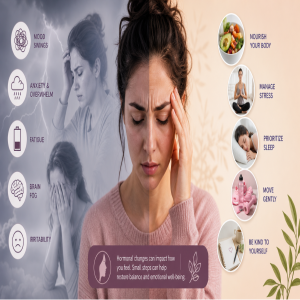
While emotional changes after 35 are common, there are many ways to improve mental and emotional balance naturally.
Prioritize Sleep
Creating a consistent sleep routine can significantly improve mood and stress tolerance.
Helpful habits include:
- Limiting screen time before bed
- Reducing caffeine intake
- Keeping a regular sleep schedule
- Creating a calm nighttime routine
Exercise Regularly
Physical activity helps reduce stress hormones while increasing mood-supporting chemicals like endorphins and serotonin.
Beneficial activities include:
- Walking
- Yoga
- Strength training
- Stretching
- Dancing
Even moderate movement can improve emotional resilience.
Manage Stress Intentionally
Stress management becomes increasingly important after 35.
Helpful techniques include:
- Deep breathing
- Meditation
- Journaling
- Therapy or counselling
- Spending time outdoors
- Setting healthier boundaries
Small daily habits often make the biggest difference over time.
Stay Socially Connected
Isolation can worsen anxiety and emotional burnout. Meaningful social support improves emotional well-being and reduces stress.
Even brief conversations, support groups, or spending time with trusted friends can help restore emotional balance.
When to Seek Professional Help
Occasional stress and mood changes are normal, but persistent emotional symptoms should not be ignored.
Consider speaking with a healthcare professional if you experience:
- Constant anxiety
- Depression
- Severe mood swings
- Sleep disruption
- Panic attacks
- Emotional numbness
- Loss of interest in life
- Difficulty functioning daily
Sometimes, hormonal evaluations, therapy, nutritional support, or medical treatment may help significantly.
Final Thoughts
Feeling more irritated, anxious, emotionally sensitive, or withdrawn after 35 is more common than many women realise. These changes are often connected to hormonal fluctuations, chronic stress, poor sleep, emotional overload, and lifestyle factors—not personal weakness.
The body and mind change with age, but emotional health can still be supported and improved. Prioritising sleep, nutrition, movement, stress management, and emotional support can help restore balance and improve overall well-being.
Listening to your body instead of ignoring emotional changes is an important step toward feeling healthier, calmer, and more connected again.


Comments (0)