
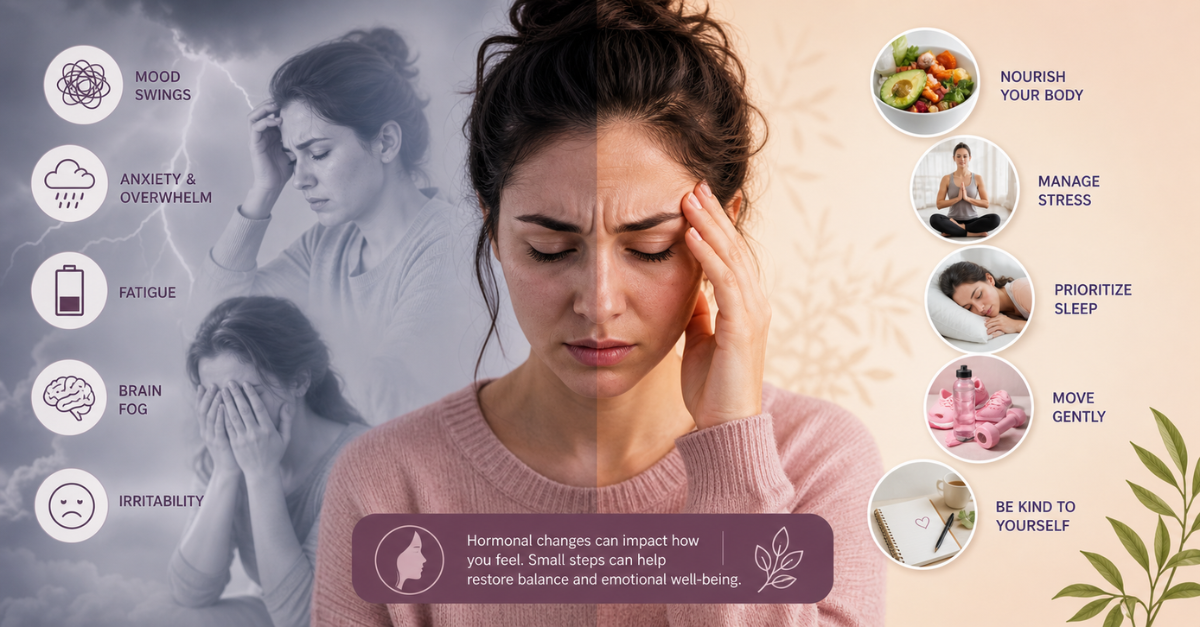
If you’ve ever felt like your emotions are suddenly all over the place—mood swings, irritability, anxiety, or even unexplained sadness—you’re not alone. Many women experience what feels like “emotional chaos,” especially during certain life stages. One major, often overlooked cause? An estrogen crash.
Understanding how estrogen affects your brain and body can help you make sense of these emotional shifts—and more importantly, learn how to manage them effectively.
What Is an Estrogen Crash?
Estrogen is one of the primary female sex hormones, playing a crucial role not just in reproductive health but also in brain function, mood regulation, and overall well-being.
An estrogen crash happens when estrogen levels drop rapidly. This can occur during:
- Perimenopause
- Menopause
- Postpartum period
- After stopping hormonal birth control
- Certain medical treatments or conditions
Unlike gradual hormonal changes, a sudden drop can feel intense—almost like your emotional stability disappears overnight.
Why Estrogen Affects Your Emotions
Estrogen isn’t just a reproductive hormone—it directly influences brain chemistry.
1. Serotonin Regulation
Estrogen helps boost serotonin, often called the “feel-good” neurotransmitter. When estrogen drops:
- Serotonin levels decrease
- Mood becomes unstable
- You may feel anxious or depressed
2. Dopamine Balance
Dopamine controls motivation and pleasure. Low estrogen can reduce dopamine activity, leading to:
- Lack of motivation
- Low energy
- Emotional numbness
3. Stress Response
Estrogen helps regulate cortisol (the stress hormone). A crash can make you:
- More reactive to stress
- Easily overwhelmed
- Emotionally sensitive
Common Emotional Symptoms of Estrogen Crash
When estrogen levels fall, the emotional impact can be significant. Common symptoms include:
- Sudden mood swings
- Increased anxiety or panic feelings
- Irritability or anger over small things
- Low mood or depressive feelings
- Crying spells without a clear reason
- Brain fog and difficulty concentrating
- Feeling disconnected or emotionally “flat”
These symptoms are real, physiological responses—not just “in your head.”
Physical Signs That Often Come Along
Emotional symptoms rarely appear alone. An estrogen crash may also cause:
- Hot flashes or night sweats
- Sleep disturbances
- Fatigue
- Headaches
- Vaginal dryness
- Irregular periods
When these symptoms appear together, hormones are often the missing piece of the puzzle.
Life Stages Where Estrogen Crash Is Common
1. Perimenopause
This is the transitional phase before menopause, often starting in the late 30s or 40s. Hormones fluctuate unpredictably, causing emotional highs and lows.
2. Menopause
Estrogen levels decline significantly, often leading to more persistent symptoms.
3. Postpartum Period
After childbirth, estrogen levels drop sharply within days. This can contribute to:
- Baby blues
- Postpartum anxiety
- Postpartum depression
4. After Stopping Birth Control
Hormonal contraceptives regulate estrogen artificially. Stopping them can cause a temporary imbalance.
Why It Feels So Intense
An estrogen crash doesn’t just change your mood—it affects how your brain processes emotions.
This means:
- Small issues may feel overwhelming
- You may react more strongly than usual
- Emotional resilience temporarily decreases
Understanding this can be empowering. It’s not a personal weakness—it’s a biological shift.
How to Manage Emotional Symptoms Naturally
While hormone changes are inevitable, there are ways to support your body and mind during this phase.
1. Support Your Hormones with Nutrition
Focus on foods that help balance hormones:
- Healthy fats (avocado, nuts, seeds)
- Protein-rich foods
- Phytoestrogen foods (flaxseeds, soy)
- Leafy greens
Avoid excessive sugar and processed foods, which can worsen mood swings.
2. Prioritise Sleep
Sleep disturbances can amplify emotional instability.
Tips:
- Maintain a consistent sleep schedule
- Limit screen time before bed
- Create a calm bedtime routine
3. Manage Stress Actively
Since estrogen affects stress response, stress management becomes essential.
Try:
- Deep breathing exercises
- Meditation
- Journaling
- Spending time in nature
4. Gentle Exercise
Regular movement helps regulate mood by boosting endorphins.
Best options:
- Walking
- Yoga
- Stretching
- Light strength training
Avoid overtraining, as it can increase cortisol levels.
5. Stay Hydrated
Dehydration can worsen fatigue and brain fog.
Aim for consistent fluid intake throughout the day.
When to Consider Medical Support
If symptoms are severe or affecting your daily life, it’s important to seek professional help.
A healthcare provider may suggest:
- Hormone Replacement Therapy (HRT)
- Antidepressants or anti-anxiety medications
- Lifestyle-based treatment plans
Every individual is different, so treatment should be personalised.
Emotional Validation Matters
One of the most important things to understand is this:
Your feelings are valid.
Hormonal changes can make you feel like you’re losing control—but you’re not. Your body is adjusting, and with the right support, balance can return.
Supporting Yourself Through the Transition
- Be patient with yourself
- Reduce self-criticism
- Communicate your needs with loved ones
- Seek support groups or counselling if needed
You don’t have to go through this alone.
Final Thoughts
An estrogen crash can feel overwhelming, but understanding what’s happening inside your body can bring clarity and relief. These emotional shifts are deeply connected to hormonal changes—not a reflection of your strength or character.
With the right combination of lifestyle adjustments, emotional support, and medical guidance when needed, you can regain balance and feel like yourself again.

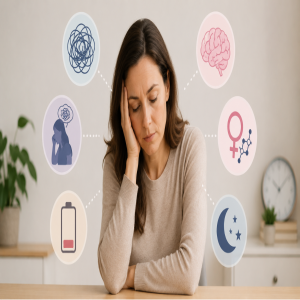


Comments (0)