

The Relationship Between Stress, Mood Swings, and the Menstrual Cycle
Understanding the interplay between stress, mood swings, and the menstrual cycle is crucial for the well-being of many women. This complex relationship is influenced by hormonal changes, lifestyle factors, and environmental stressors.
Understanding Hormonal Fluctuations During the Menstrual Cycle
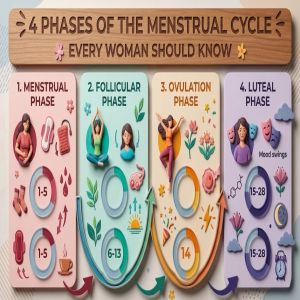
The menstrual cycle is governed by a delicate balance of hormones, primarily estrogen and progesterone. These hormones not only regulate menstruation but also affect various aspects of physical and emotional health. Estrogen is known to enhance mood by increasing the levels of serotonin, a neurotransmitter that promotes feelings of well-being and happiness. Conversely, progesterone is associated with calming effects on the brain but can also trigger mood swings and irritability when levels fluctuate.
Impact of Stress on Hormonal Balance
Stress plays a significant role in hormonal balance. The body's response to stress involves the release of cortisol, a hormone that can interact antagonistically with estrogen and progesterone. High levels of cortisol can lead to irregular menstrual cycles, exacerbating mood instability and discomfort. Chronic stress may also impact the duration and flow of menstrual bleeding, complicating the body's natural rhythm.
How Mood Swings Correlate with the Menstrual Cycle
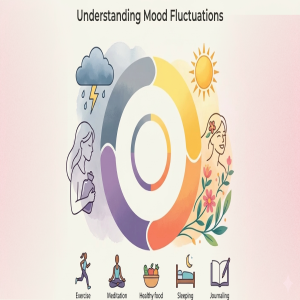
Mood swings during the menstrual cycle can be severe for some women, significantly impacting their daily life. These mood fluctuations are primarily due to hormonal changes. In the days leading up to menstruation, known as the luteal phase, declining levels of estrogen and progesterone can result in symptoms of premenstrual syndrome (PMS), including irritability, anxiety, and depression. Understanding these patterns can help in managing and anticipating mood swings effectively.
Strategies for Managing Stress and Mood Swings
Managing stress and its effects on the menstrual cycle requires a multifaceted approach:
- Regular Exercise: Engaging in regular physical activity can help regulate hormones and decrease stress levels.
- Adequate Sleep: Ensuring sufficient sleep is crucial for maintaining hormonal balance and reducing irritability and mood swings.
- Nutritional Support: A diet rich in vitamins and minerals can support hormonal health and mitigate the effects of stress.
- Mindfulness and Relaxation Techniques: Practices such as yoga, meditation, and deep-breathing exercises can decrease cortisol levels and enhance overall mood.
- Professional Counseling: Talking to a therapist can help develop strategies for coping with stress and managing mood swings related to the menstrual cycle.
Implementing these strategies can not only help manage mood swings and stress related to the menstrual cycle but also improve overall health and quality of life.
Conclusion
The relationship between stress, mood swings, and the menstrual cycle is a testament to the complex biochemistry of the female body. By understanding and managing these factors, women can achieve better hormonal balance and improve their emotional well-being. It’s important to recognize when symptoms might be a sign of more significant health issues and seek professional advice when needed.


Comments (0)