
Decoding Period Blood Colors, Insights into Menstrual Health
Introduction to Menstrual Health
Menstrual health is a vital aspect of women's health that encompasses the physical, mental, and emotional dimensions associated with the menstrual cycle. Understanding the nuances of your period, such as the varying colors of menstrual blood, can provide significant insights into your overall health. This blog post explores the different colors of period blood and what they signify, helping you to better understand your body and any potential health issues.
What Does the Color of Period Blood Indicate?
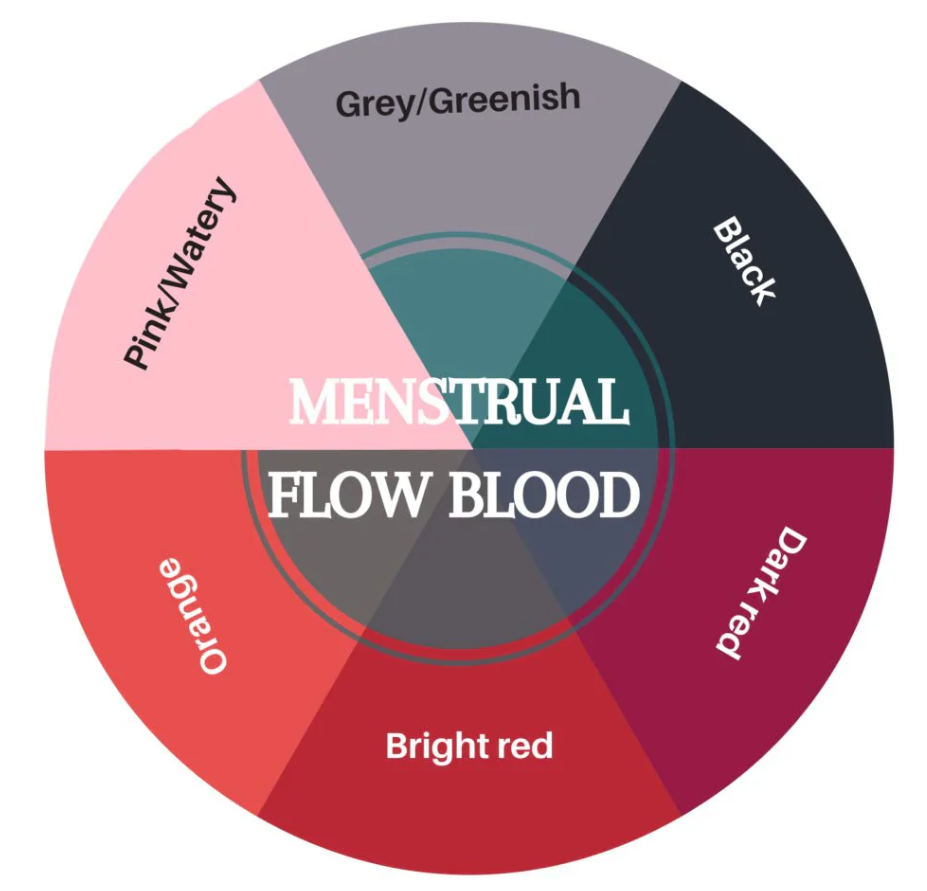
The color of menstrual blood can vary from one period to another and can range from bright red to dark brown. Each color can have different meanings related to your health:
- Bright Red: Often seen at the start of your period, bright red blood is fresh and indicates that the blood is flowing quickly from your uterus. This is typically considered normal.
- Dark Red or Brown: Darker blood often appears towards the end of your period. It is older blood that has taken longer to exit the uterus, which is generally not a cause for concern.
- Pink: Light pink blood can occur due to a variety of reasons such as low estrogen levels, especially if experienced mid-cycle or when mixed with cervical fluid.
- Orange: Blood that appears orange with red streaks might indicate infections, such as sexually transmitted infections (STIs). Consulting a healthcare provider is advisable if you notice this color variation.
- Gray: Gray menstrual blood can be a sign of infection or miscarriage. If you experience this, it is important to seek medical advice immediately.
Common Period Symptoms and Their Meanings
Alongside color, other period symptoms can provide clues about your menstrual health:
- Cramping: Mild to moderate cramping is normal during a period, caused by the uterus contracting to help expel its lining. Severe cramps, however, may indicate conditions like endometriosis or uterine fibroids.
- Bloating: This is caused by hormonal changes and usually subsides after your period starts.
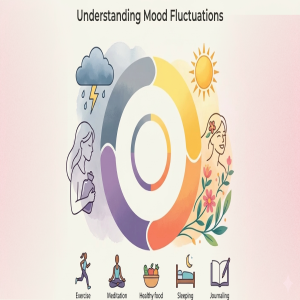
- Mood Swings: The fluctuation of hormones during the menstrual cycle can affect your mood, resulting in periods of irritability or sadness.
- Heavy Bleeding: While common, very heavy bleeding, known as menorrhagia, may require a consultation with your healthcare provider to rule out health issues like hormonal imbalances or other underlying conditions.
- Spotting: Light bleeding or spotting between periods could be linked to hormonal imbalances, the use of birth control, or other health concerns.
Maintaining Healthy Menstrual Practices
Monitoring the color and flow of your period blood, alongside other symptoms, can help you maintain a healthy menstrual cycle. Here are some tips for healthy menstrual practices:
- Track Your Cycle: Use a menstrual cycle tracking app to monitor changes and patterns in your period.
- Maintain a Balanced Diet: Nutrient-rich foods can help regulate your cycle and alleviate symptoms such as cramps and bloating.
- Stay Hydrated: Drinking enough water is crucial, especially if you experience heavy bleeding, as it helps replenish lost fluids.
- Consult Healthcare Providers: Regular check-ups can help catch any underlying health issues early and keep your menstrual health in check.
Conclusion
Understanding the implications of the color and flow of your period blood, along with associated symptoms, can play a crucial role in monitoring and maintaining your menstrual health. Always consult with a healthcare provider if you notice any significant changes or if you have concerns about your menstrual cycle. Being proactive about your menstrual health is not just about alleviating symptoms—it is about ensuring your overall well-being.
© 2023 Women's Health Blog. All rights reserved.



Comments (0)