

Have you ever walked into a room and forgotten why you were there? Felt emotionally overwhelmed for no clear reason? Or struggled to get through the day despite getting enough sleep? These experiences are often brushed off as stress, ageing, or a busy lifestyle. However, when brain fog, mood swings, and fatigue appear together, they may point to a deeper underlying issue within the body.
Many people experience these symptoms individually at some point in life. But when they occur regularly and begin affecting work, relationships, sleep, or mental health, it is important to understand the hidden connection between them. Hormonal changes, chronic stress, poor sleep, nutritional deficiencies, and even gut health can all play a role.
Understanding the root cause is the first step toward feeling like yourself again.
What Is Brain Fog?
Brain fog is not a medical condition itself, but rather a symptom. It refers to feelings of mental confusion, forgetfulness, lack of focus, and difficulty concentrating. People with brain fog often describe it as feeling mentally “slow” or disconnected.
Common signs of brain fog include:
- Difficulty concentrating
- Forgetfulness
- Trouble finding words
- Mental exhaustion
- Lack of clarity
- Difficulty processing information
Brain fog can happen occasionally due to stress or lack of sleep, but chronic brain fog may signal an imbalance in the body.
Understanding Mood Swings
Mood swings are rapid or noticeable changes in emotional state. A person may feel calm one moment and irritated, anxious, or sad the next. While occasional emotional shifts are normal, persistent mood swings can affect daily functioning and relationships.
Symptoms may include:
- Irritability
- Anxiety
- Feeling emotionally overwhelmed
- Increased sensitivity
- Sudden sadness or anger
- Lack of motivation
Hormones, stress hormones like cortisol, sleep quality, and neurotransmitter imbalances all influence emotional stability.
Why Fatigue Is More Than Just Tiredness
Fatigue is different from ordinary tiredness. It is a deep physical and mental exhaustion that does not improve fully with rest. Many people with fatigue feel drained even after sleeping or taking breaks.
Signs of fatigue include:
- Low energy throughout the day
- Difficulty staying awake
- Reduced productivity
- Muscle weakness
- Lack of mental stamina
- Feeling exhausted after small tasks
When fatigue occurs alongside brain fog and mood swings, it often suggests the body is under prolonged stress or imbalance.
The Hidden Connection Between These Symptoms
Brain fog, mood swings, and fatigue are closely connected because they share many of the same root causes. The brain, hormones, nervous system, and immune system work together constantly. When one area becomes disrupted, it can affect mood, energy, and mental clarity at the same time.
1. Hormonal Imbalances
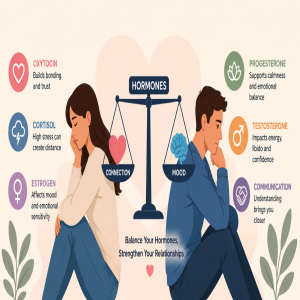
Hormones influence nearly every function in the body, including mood, sleep, metabolism, and cognitive function. Changes in estrogen, progesterone, cortisol, and thyroid hormones can trigger all three symptoms.
Women often notice these symptoms during:
- Perimenopause
- Menopause
- PMS
- Pregnancy or postpartum recovery
Low estrogen levels, for example, may affect serotonin and dopamine, chemicals that regulate mood and mental focus. Similarly, thyroid hormone imbalances can lead to fatigue, depression, and cognitive slowing.
2. Chronic Stress and High Cortisol
Stress is one of the most overlooked causes of mental and physical exhaustion. When the body stays in “fight or flight” mode for too long, cortisol levels remain elevated. Over time, this can disrupt sleep, mood regulation, memory, and energy production.
Chronic stress may lead to:
- Anxiety and irritability
- Poor concentration
- Sleep disturbances
- Emotional burnout
- Constant fatigue
The brain becomes overloaded, making it harder to think clearly or manage emotions effectively.
3. Poor Sleep Quality
Sleep is essential for brain repair, hormone balance, and emotional regulation. Even if you spend enough hours in bed, poor-quality sleep can still leave you feeling exhausted and mentally foggy.
Sleep problems linked to these symptoms include:
- Insomnia
- Sleep apnea
- Frequent waking
- Hormonal night sweats
- Restless sleep
Without proper rest, the brain struggles to process information and regulate emotions efficiently.
4. Nutritional Deficiencies
Your brain and body need proper nutrients to function optimally. Deficiencies in key vitamins and minerals can affect mood, memory, and energy levels.
Common deficiencies include:
- Iron deficiency
- Vitamin B12 deficiency
- Vitamin D deficiency
- Magnesium deficiency
For example, low iron levels may reduce oxygen delivery to the brain, causing fatigue and poor concentration. Low B12 levels can impact nerve function and mental clarity.
The Gut-Brain Connection
Research continues to show that gut health strongly affects mental health and energy levels. The gut produces many neurotransmitters, including serotonin, which helps regulate mood.
Poor gut health may contribute to:
- Inflammation
- Mood disorders
- Fatigue
- Difficulty concentrating
Digestive issues, processed foods, chronic inflammation, or an imbalanced gut microbiome can all influence how the brain functions.
Could It Be Burnout?
Modern lifestyles often push people to ignore early warning signs from the body. Long working hours, emotional stress, caregiving responsibilities, and constant digital stimulation can lead to burnout.
Burnout commonly causes:
- Emotional numbness
- Brain fog
- Lack of motivation
- Chronic exhaustion
- Mood instability
Many people continue functioning while silently struggling, believing their symptoms are “normal.” However, ongoing burnout can affect both mental and physical health if left unaddressed.
When to Seek Medical Advice
Occasional fatigue or forgetfulness is common, but persistent symptoms should not be ignored. It is important to consult a healthcare professional if symptoms:
- Last for several weeks or months
- Interfere with daily life
- Continue despite rest
- Become progressively worse
- Are accompanied by dizziness, severe anxiety, or depression
A medical evaluation may help identify hormonal imbalances, thyroid conditions, nutritional deficiencies, sleep disorders, or other underlying causes.
Simple Lifestyle Changes That May Help
While treatment depends on the underlying cause, some daily habits can support better energy, mood, and mental clarity.
Prioritize Sleep
Aim for consistent sleep routines and reduce screen time before bed.
Manage Stress
Meditation, walking, deep breathing, or journaling may help lower stress levels.
Eat Nutrient-Rich Foods
Focus on balanced meals with protein, healthy fats, vegetables, fruits, and whole grains.
Stay Hydrated
Even mild dehydration can affect concentration and energy.
Move Your Body
Gentle exercise improves circulation, mood, and brain function.
Limit Overstimulation
Constant multitasking and digital overload can worsen mental fatigue.
Final Thoughts
Brain fog, mood swings, and fatigue are often interconnected symptoms rather than isolated problems. They may be your body’s way of signalling that something deeper needs attention — whether it is hormonal imbalance, chronic stress, poor sleep, nutritional deficiencies, or burnout.
Listening to these signals instead of dismissing them can help you take meaningful steps toward recovery and improved well-being. Small changes in lifestyle, proper medical guidance, and self-awareness can make a significant difference over time.
You do not have to accept feeling mentally drained, emotionally unstable, and physically exhausted as your “new normal.” Understanding the hidden connection behind these symptoms is the first step toward restoring balance, clarity, and energy in your daily life.



Comments (0)